When Sardarov arrived in Republika Srpska in 2011, he was introduced to the public as a wealthy Russian investor who would invest one billion marks in the energy sector.
He received concessions from the RS Government allowing him to explore and exploit natural resources for the construction of energy facilities and electricity generation for a period of up to 30 years, after which the facilities were to be handed over to the Entity.
He paid concession fees amounting to 8.8 million BAM. He also undertook to pay up to 3.6% of annual revenue once operations began, but this never happened because the facilities were never built. A decade later, Sardarov withdrew from the business and offered the concessions back.
The RS Government—comprising representatives of Milorad Dodik’s Alliance of Independent Social Democrats (SNSD) and their coalition partners—is now prepared to pay him 309.2 million BAM for those concession rights. Documents obtained by the Centre for Investigative Reporting (CIN) show that this exceeds their real value by at least 32 million BAM.
The public utility Elektroprivreda RS warned the Government that it does not have the funds and cannot take over all of Sardarov’s projects without jeopardising its own operations. A solution was therefore found—for Sardarov.
The concessions for the construction of a hydropower plant and the exploitation of building stone in Rudo were taken over by the public company Obnovljivi izvori energije d.o.o. Ljubinje for 68.6 million BAM.
For the concessions relating to the construction of a thermal power plant and the exploitation of coal and stone in Ugljevik, 240.5 million BAM is expected from the public company for gas projects, GAS-RES — a company that has never previously operated in the electricity sector.
Representatives of the RS Government have been sending a message to the public that they are buying the concession rights from Sardarov in order to enable the “Ugljevik Mine and Thermal Power Plant” — which faces closure without this resource — to take over his coal. However, it was members of the ruling structures themselves who gave Sardarov access to the coal from the mine that had previously supplied the public company.
Moreover, they amended the concession agreements in Sardarov’s favour. Although the agreements could initially have been terminated due to delays in implementation, the government extended construction and exploitation deadlines through annexes and altered the conditions under which delays could be considered justified. This allowed Sardarov to remain comfortably in possession of the concession rights without carrying out any concrete activities.

A Foundation Stone Without Construction
Companies majority-owned by Rashid Sardarov: Comsar Energy Hidro and Comsar Energy Republika Srpska, both based in Banja Luka, received rights between 2011 and 2016 to explore and exploit coal, limestone, and construction stone in Republika Srpska, as well as to build a hydropower plant and a thermal power plant and produce electricity. The contracts were awarded for periods ranging from one to thirty years.
The companies were formally managed by various individuals, among them Duško Perović, a lawyer who is now head of Republika Srpska’s representative office in Moscow.
He previously told CIN journalists that Sardarov is a wealthy man interested in the energy sector: “He sought the concession not to trade with it, because he has no interest in that, but to produce electricity.”
He recounted that, before the concessions were approved, there were discussions with Milorad Dodik, then President of RS, and that they flew by helicopter over the potential sites. Perović said that, while they were above the Lim River canyon in Rudo, Dodik asked Sardarov: “Would you like us to give you this to invest in?”
However, Dodik would not confirm such an arrangement to CIN, giving the reporter only a brief reply: “You are speculating.”
The concession contract for the construction of a hydropower plant on the River Lim, worth 188.5 million BAM, was signed in November 2012 by Perović and Željko Kovačević, then RS Minister of Energy and Mining from the SNSD. The company Comsar Energy Hidro was tasked with its implementation.
Two years later, Sardarov and Dodik ceremonially laid the foundation stone in Rudo, announcing the construction of the hydropower plant.
Rato Rajak, then Mayor of Rudo, told CIN that municipal representatives had not been involved in these arrangements, but that the news pleased them because they saw it as an opportunity for economic development: “The whole of Eastern Bosnia and Herzegovina is in a very difficult situation. Rudo, as a markedly underdeveloped municipality, is certainly at the forefront of that. So we saw it as a present from Father Christmas. We weren’t asked about anything, literally,” he said.
It was agreed that the hydropower plant would be built by November 2017 and that it would be used to generate electricity until 2042. In the event of delays or failure to meet obligations, the RS Government may terminate the contract and recover any damages through bank guarantees, which the concessionaire must provide in the amount of 3% of the value of each phase of the works, up to 1.9 million BAM.
According to reports by the RS Concessions Commission, in 2014, the concessionaire worked on preparing documentation and obtaining necessary permits, settling property-legal issues, and building access roads. But the following year, problems began to emerge. In its report, the Commission stated that the concessionaire had not received all the necessary guidance from the competent institutions, land expropriation was delayed, and there was a shortage of stone for construction.

“That’s ridiculous. Every document from the municipality was delivered absolutely promptly. From the Republika Srpska Geodetic Authority as well. I’m telling you, the Attorney General’s Office worked for them as if it were a private firm,” Rajak said.
In 2015, the RS Government granted Sardarov’s company a second concession in Rudo, for the exploitation of limestone at the Varda site, in the amount of 90,000 tonnes per year for a period of 15 years. April 2016 had been set as the start date for operations.
However, the operations never happened. Neither the mine nor the construction of the hydropower plant began within the agreed timeframe. Instead of examining whether the contract should be terminated, the RS Government — first under Željka Cvijanović and later Radovan Višković, both from the SNSD — amended the hydropower plant contract in Sardarov’s favour.
Through a series of annexes, the construction deadlines were extended by more than seven years, from November 2017 to February 2025, while the period during which the plant could be used for electricity production was extended by a further 20 years, until November 2062. Alongside the extended deadlines, the timeframe for submitting the bank guarantee was also prolonged — and the guarantee itself was reduced from three to one percent.
“We signed these annexes because the Government decided so, with the intention of enabling and assisting this concessionaire to reach the stage where the facility could actually be built,” said Petar Đokić, RS Minister of Energy and Mining from the Socialist Party.
He signed one annex in February 2016 and another in July 2020, acting under the Government’s authorisation.
Rajak, the former mayor of Rudo, says the changes were made without the municipality’s knowledge and that they were only informed afterwards by Đokić’s ministry. “The Municipality of Rudo wasn’t consulted at all. No expert analysis was carried out to explain how this was even possible. You grant someone a 30-year concession and suddenly, without anyone knowing, without any consultations whatsoever, someone simply approves an extension to 50 years,” said Rajak.
The annexes also amended the provisions that had previously allowed the concessionaire to justify delays only in cases of force majeure. Instead, they introduced the concept of an “event beyond control”, which makes it possible for the concessionaire to claim justified delays in situations such as a shortage of construction materials, a power outage, or a strike. It is sufficient for the concessionaire to inform the RS Government that an “event beyond control” has occurred and to explain that they have taken all reasonable steps to resolve the problem.
Slaven Dizdar, a Sarajevo-based lawyer who reviewed the contracts and annexes, explained that force majeure—such as natural disasters—is defined under the Law on Obligations. By contrast, the term “event beyond control” broadens the range of circumstances in which delays carry no consequences for the concessionaire.
“Several subjective elements are introduced, using terms like the concessionaire’s ‘best efforts’ and the like. This is problematic in itself, because the notion of ‘effort’ is relative—it depends on who interprets it, who proves it, and it certainly departs from what could be considered an objective truth,” Dizdar said.
In addition, the annexes changed the authority responsible for resolving potential disputes. Instead of the court in Banja Luka—where the RS Government could be represented by the Attorney General’s Office and where the losing party would bear the costs—the parties agreed to arbitration in London. Merely initiating such proceedings would expose the RS Government to multi-million costs, as both parties must pay them equally, and they are calculated as a percentage of the agreed investment.
Mile Lasić, president of the Arbitration Court at the Foreign Trade Chamber of BiH and a professor at the Faculty of Law at the University of Mostar, explained that this is a standard method for resolving commercial disputes, one of its key features being the confidentiality of proceedings.
“If the parties agree, they may disclose certain information publicly; if they do not, nothing becomes public because confidentiality, i.e., non-publicity, is one of the fundamental principles,” Lasić said.
He added that the aim is to preserve cooperative relations, which is why arbitration can even be held in a hospitality venue to create a more amicable atmosphere. “Not in a restaurant where you hear cutlery and plates, of course—but in one with booths or a private conference room, yes,” explained Lasić.
He noted that in arbitration, the parties may influence the selection of arbitrators, and the proceedings may be discontinued if the parties reach a settlement. Arbitration is usually faster than court litigation, and decisions are final, although they may be subject to review through an application for annulment.
“I haven’t encountered such cases in practice, but the parties can indeed agree to that,” Lasić said.
However, even after the annexes were signed, the hydropower plant was never built, nor was the quarry opened. The RS Concessions Commission has not responded to requests for an interview on the matter, and its annual reports continue to state that work is ongoing on project documentation, property-legal issues, and access roads.
Since work never began, the concessionaire has not been paying the revenue-based concession fee. According to data from the RS Ministry of Energy and Mining, the company has paid 224,755 BAM in one-off fees under the two concession contracts—just over half of what it was required to pay.
The RS Government Created a Problem for ‘RITE Ugljevik’
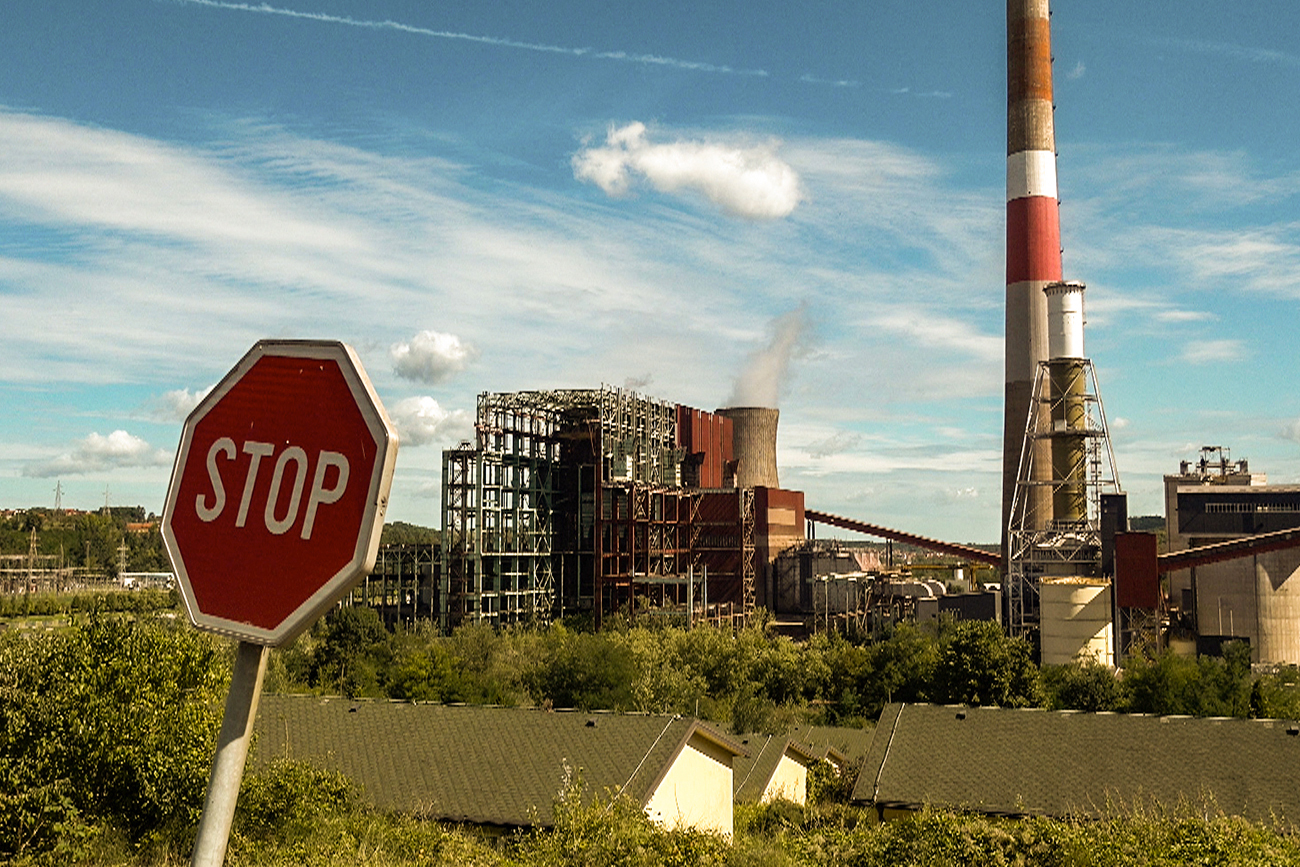
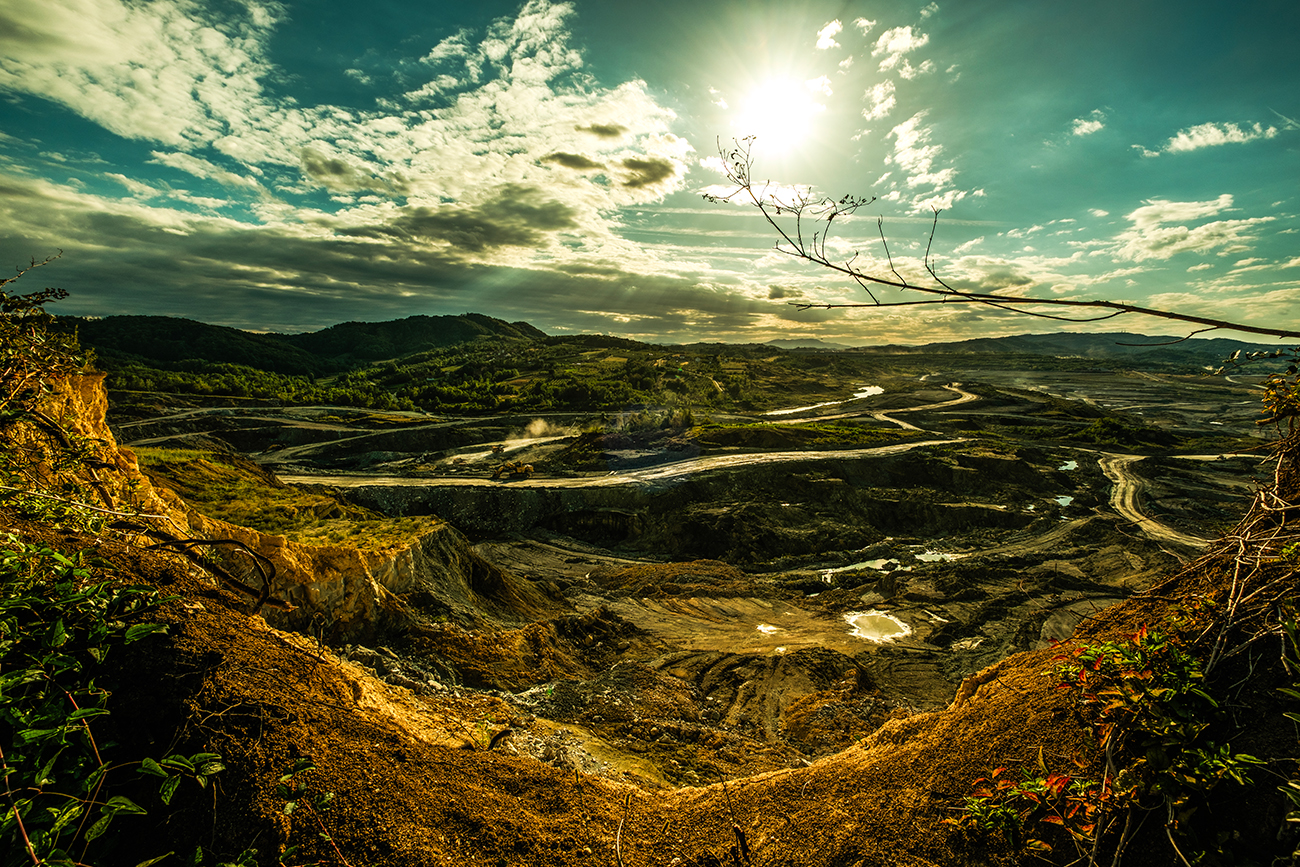
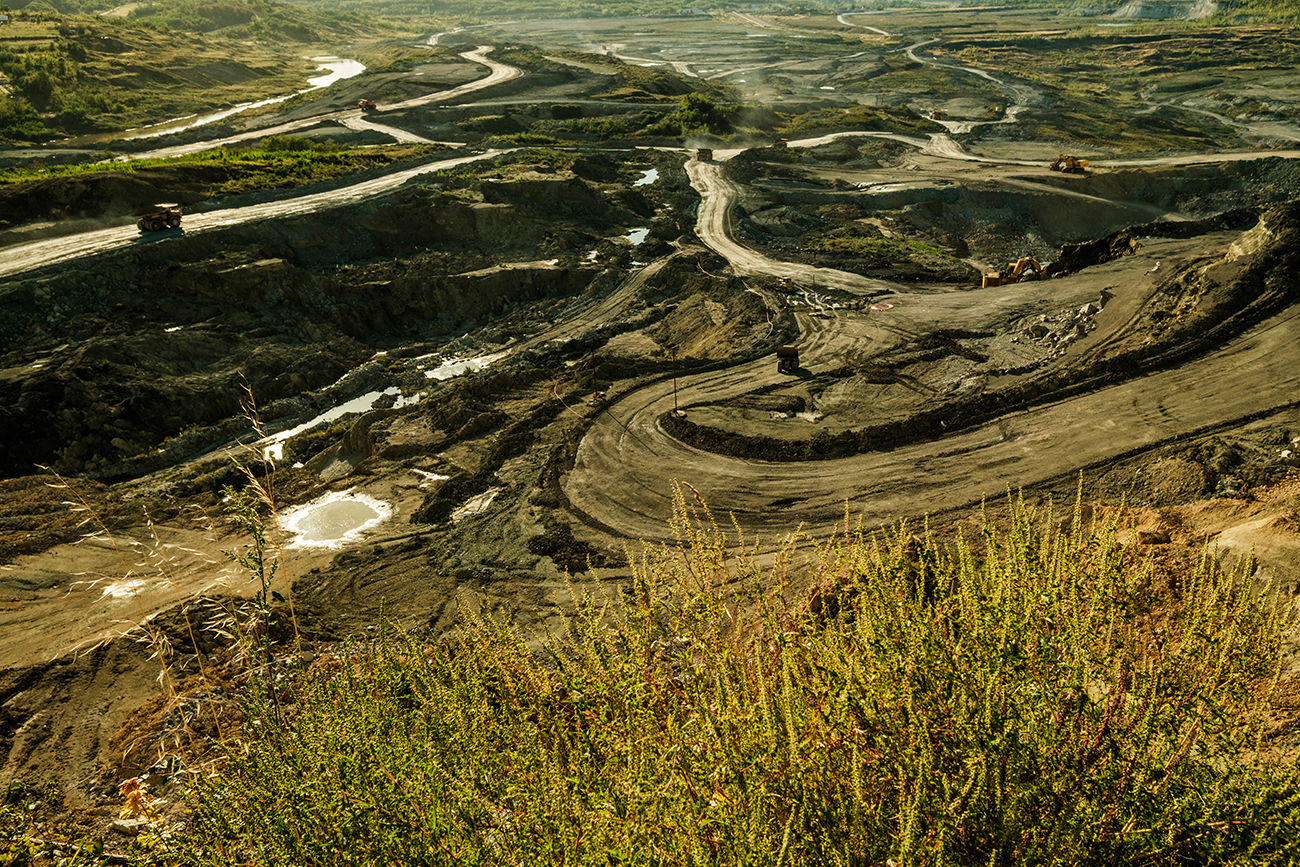
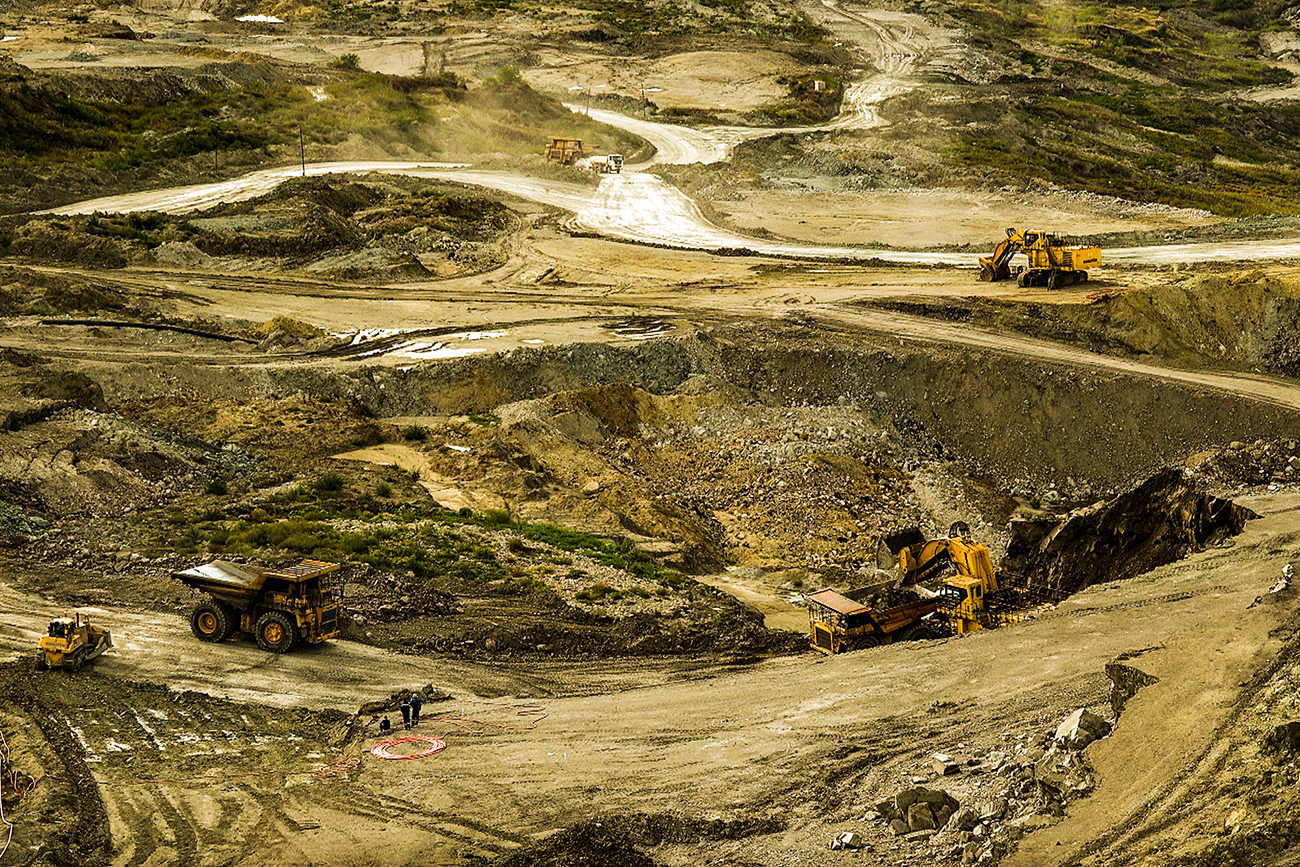
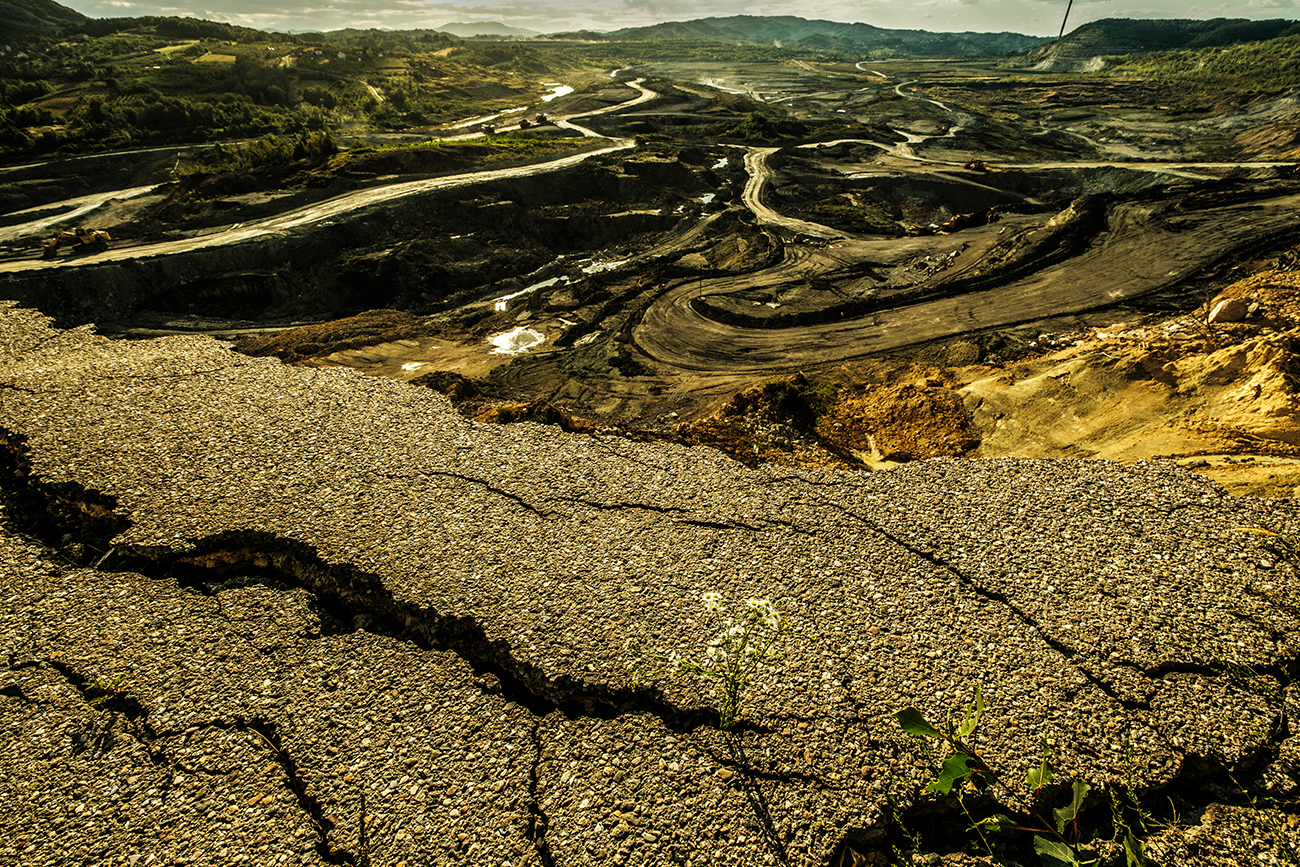
A similar situation unfolded in Ugljevik, where Sardarov was granted concessions to build and operate a thermal power plant, as well as to explore and extract coal and limestone.
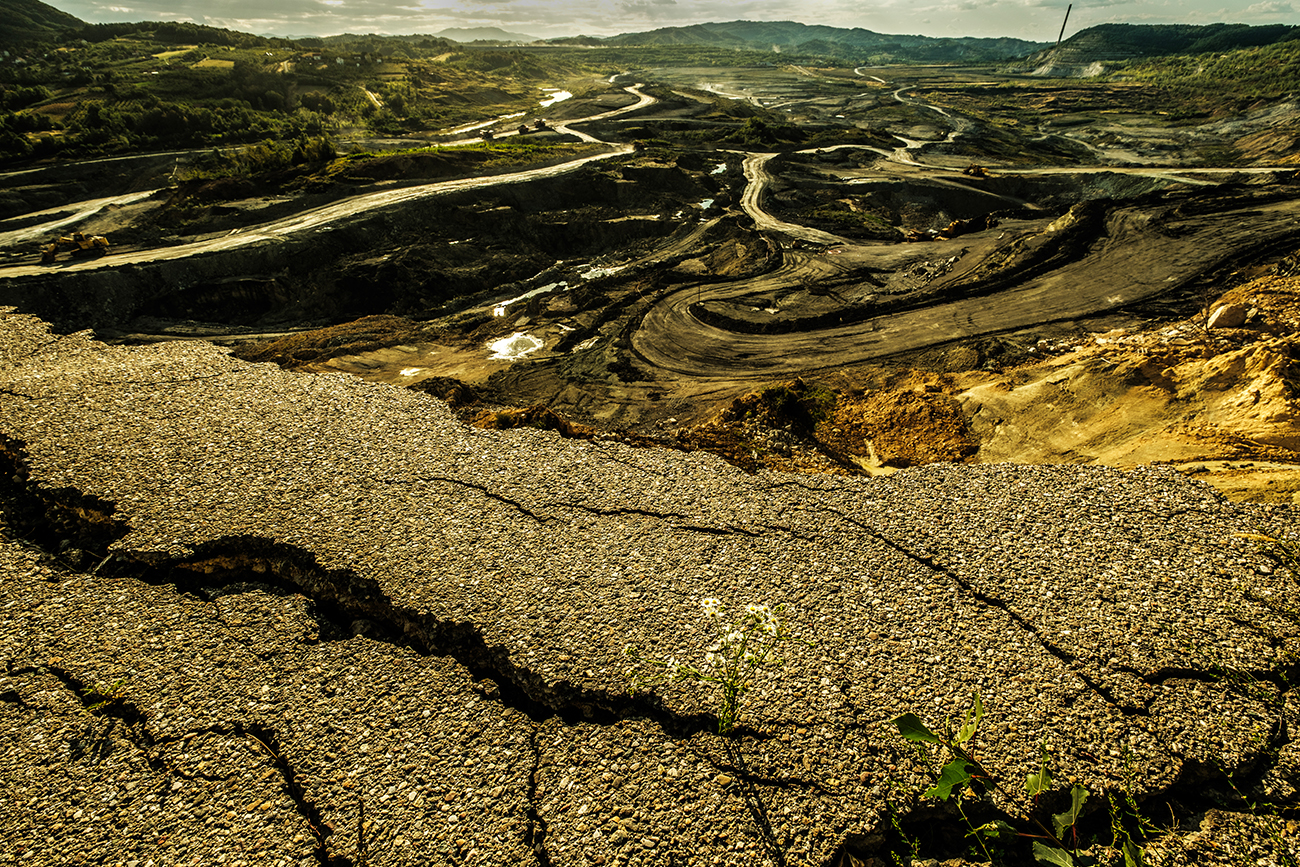
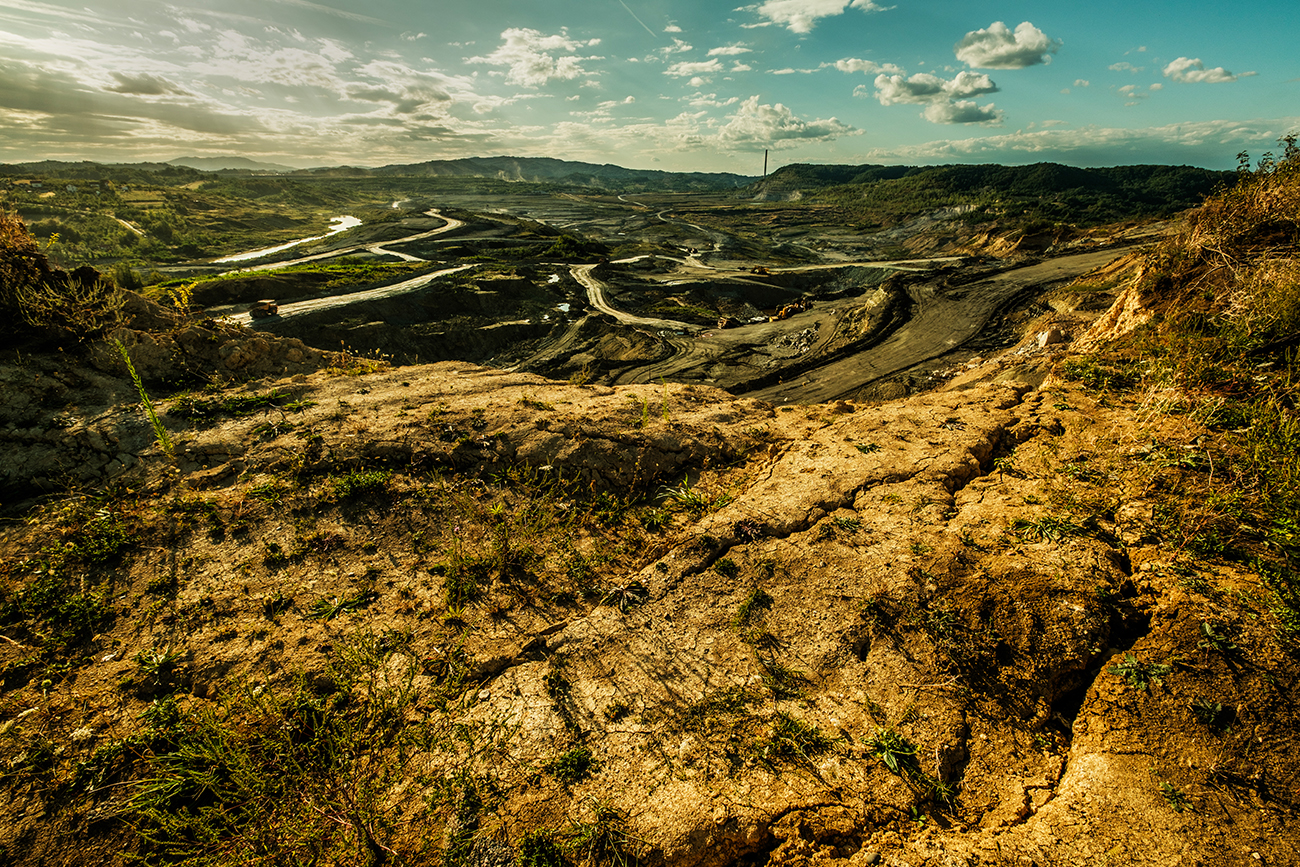
The RS Government allowed him to construct the power plant on the assets of the public company RITE Ugljevik and to mine coal from their Ugljevik East field. The field was divided, with Sardarov receiving a larger share of the coal than what remained for the public company.
Milutin Tasovac, a board member of RITE Ugljevik and an SNSD MP in the RS National Assembly, told CIN journalists that the arrangement “was entirely made with good intentions.” He explained that the plan was for RITE Ugljevik to continue operations until 2025, when its coal reserves would run out, after which Sardarov’s thermal power plant would take over.
In 2012 and 2013, Rašid Sardarov purchased hotels in Ugljevik and Rudo. He bought the hotel in Rudo for 500,000 BAM from Gordan Pavlović from Foča, subsequently renovated it, and commissioned a valuation of the property, equipment, and inventory, which placed its value at 6.6 million BAM. He took out two loans totalling 6.5 million BAM secured against the property, which he fully repaid in 2021. The following year, he sold the hotel for 2.2 million BAM to the public company Hidroelektrane na Drini, headed by SNSD official Nedeljko Perišić, despite opposition from minority shareholders, as the company operated at a loss and its business was unrelated to electricity generation. The hotel itself is not profitable and continues to be financed through loans from this public company.
Sardarov acquired the hotel in Ugljevik through the privatisation process by purchasing shares, and sold it in 2019 for 353,829 BAM to Atlas Group in Brčko.
In Ugljevik, Sardarov did not build the thermal power plant, nor did he extract any ore, while RITE Ugljevik, in the meantime, exhausted the remaining coal available to them.
“We produce one third of the electricity in the Republika Srpska power system. We are the largest producers, and that has put us in a difficult position,” said Boban Benović, chairman of the workers’ union at the company.
He added that with access to coal and a refurbishment of the thermal power plant, operations could continue until 2050, and that around 2,000 employees want the mine back: “This is essential. If the concession is not restored, the power plant will have to stop,” said Benović.
The concessions for the construction of Ugljevik 3 thermal power plant and the exploitation of coal from the Ugljevik East 2 mine were granted in 2013 to the company Comsar Energy Republika Srpska during the tenure of Željka Cvijanović of the SNSD. The concessions were agreed for a period of 30 years, until 2043, with an estimated investment value of 1.5 billion BAM.
According to the original contracts, the mine was scheduled to begin operations in January 2015, and the thermal power plant in December 2017. In the event of delays, the RS Government had the right to terminate the contracts. However, it did not, despite the delays.
Instead, the government authorised the line minister, Petar Đokić, to make amendments to the original agreements through five subsequent annexes between 2014 and 2021. The deadlines for the construction of the mine and the thermal power plant have been pushed back to spring 2026, while the concession period has been extended to 2058.
Minister Đokić says he signed the annexes following the RS Government’s decisions and does not feel personally responsible: “Not in the slightest.”
Furthermore, an annex to the coal exploitation contract entirely removed the government’s ability to unilaterally terminate the agreement if the concessionaire fails to meet its obligations. Any potential disputes would now be resolved through arbitration in London.
“There is no balance here, because he (i.e., the concessionaire) still retains the right to terminate the contract in all previously specified cases, while the RS Government has given up that right. From this perspective, it looks quite one-sided,” said lawyer Slaven Dizdar.
He added that the contracts and subsequent annexes were structured to protect the concessionaire’s interests: “The focus has always been on keeping the concession active, even though the concessionaire has clearly done nothing to implement it. That’s what stands out from a legal standpoint.”
According to data from the RS Ministry of Energy and Mining, Sardarov has paid approximately 7.1 million BAM in one-off concession fees for these two contracts, around three million less than the agreed amount. He has not paid any revenue-based fees, as operations have not begun. Everything remains in the preparatory phase, including the development of documentation and site preparation, such as access roads and coal storage platforms.
Meanwhile, the management of RITE Ugljevik has decided this year to start mining coal over which Sardarov holds the concession.
“We were in a situation where we needed to access coal to maintain continuity of the power plant’s operations,” said Milutin Tasovac.
He is confident that this will not cause any problems, as the RS Government is reportedly negotiating the purchase of Sardarov’s concessions.

What ERS Cannot Do, GAS-RES Can
According to documents obtained by CIN, formal negotiations with Sardarov began in 2022, when he submitted a letter of intent offering a partnership with Elektroprivreda Republike Srpske, which was interpreted as an offer to sell his projects. Meetings were subsequently arranged within the relevant institutions. The RS Government, led by Radovan Višković of the SNSD, played a key role as the founder of the public company.
At one such meeting, representatives of Elektroprivreda RS warned the government that they did not have the funds to take over all of Sardarov’s projects. They also cautioned that doing so could undermine market competition and jeopardise the implementation of their existing projects.
Luka Petrović, Director of Elektroprivreda RS, did not provide further clarification to CIN journalists, responding briefly: “That was a long time ago.”
It was decided that the company Obnovljivi izvori energije from Ljubinje, established by Elektroprivreda, would purchase Comsar Energy Hidro, which holds concessions for projects in Rudo. Meanwhile, Comsar Energy Republika Srpska, which holds concessions for projects in Ugljevik, is set to be acquired by GAS-RES, a public company that has so far not operated in the electricity sector.
Sardarov requested 68.6 million BAM for Comsar Energy Hidro, which he received, and expects 240.5 million BAM for Comsar Energy Republika Srpska.
At the time of the 2022 acquisition, Comsar Energy Hidro had a share capital of 1.9 million BAM and was operating at a loss exceeding 600,000 BAM.
Nevertheless, an analysis commissioned for the transaction concluded that it was financially justifiable. Future revenues and profits were factored in, and an assessment estimated the company’s value at between 42 and 56 million BAM if the new owner assumed all obligations and receivables, and between 61 and 75 million BAM if they did not.
The contract was finalised at the end of 2022 for 68.6 million BAM, exactly the amount Sardarov requested, with Obnovljivi izvori energije taking on all obligations, debts, and receivables.
After the acquisition, a further appraisal determined the company’s actual value at 36 million BAM—almost half of what had been paid.
“To me, it’s worth over a hundred million. (…) Because of the investment value, because it’s the largest inflow of the Drina River, because it has the highest potential—36.5 MW is the capacity,” said Luka Petrović.
Siniša Šišić, director of Obnovljivi izvori energije from Ljubinje and also a municipal councilor for the SNSD, declined to speak to CIN journalists, citing legal advice.
In August 2023, the concessions for the energy projects in Rudo were transferred to the new owner, and a few months later, Sardarov’s company was dissolved.
After taking over the Rudo hydropower concession in July 2023, RS authorities, led at the time by President Milorad Dodik, announced the construction of the hydropower plant once again—but it did not materialise.
When asked if he was optimistic that the hydropower plant would ever be built, former mayor Rajak said, “Probably, someday it will. When all the people involved in this story are paid, and if anything is left over to be completed, maybe then it will finally start,” said former mayor Rajak.
Meanwhile, the procedure to purchase Comsar Energy RS, for which Sardarov is seeking 240.5 million BAM, is still ongoing. In January 2025, the RS Government approved GAS RES to pay 58.6 million BAM, and in October, an additional 123.3 million BAM to acquire shares in the company.
Documents obtained by CIN show that the company has a registered capital of 72.5 million BAM in cash and property intended for the construction of the thermal power plant. The company is operating at a loss of 2.1 million BAM.
RiTE Ugljevik would be keen to purchase the coal concessions, but they do not have the funds. Technical director Milutin Tasovac remains optimistic that matters will be resolved through a subsequent agreement with GAS RES, given that both are owned by the RS Government.
Tasovac clarifies that he is not involved in the negotiations but stresses that without coal, the thermal power plant will halt, endangering jobs and the energy sector in the RS:
“From the outside, it looks like a lot of money, but they own the concessions.” He also noted that Comsar has already carried out valuable work in Ugljevik, including a coal depot, access roads, and a workers’ settlement.
The RS Ministry of Energy and Mining has not provided CIN with contracts and annexes for all of Sardarov’s concessions, nor with data on submitted bank guarantees.
Even the deputies in the National Assembly of the RS, who are supposed to oversee the Government’s work, do not have full details of this deal. This was highlighted by Nebojša Vukanović from the opposition party Pravda i red, who even filed a criminal complaint to determine accountability: “Simply put, we ask questions and the ministers remain silent. They basically say: ‘So what? We don’t care. We have 42 deputies; we can declare it night even though it’s day.”