
‘Watch out, the Bulgarians guard that place with guns.’ That was how residents of nearby neighbourhoods described the Rača industrial waste site in Zenica to journalists from the Centre for Investigative Reporting (CIN). ‘Bulgarians’ is the local nickname for the miners working at the site, most of them residents of the nearby settlement of Gradišće.
For years, the area has been the scene of large-scale illegal coal mining, with little to no action from the authorities. Without a concession or the necessary permits, local entrepreneurs use heavy machinery to extract hundreds of tonnes of coal every day, which they then sell across the country. According to haulage operators, coal buyers and company owners who spoke to CIN, the bulk of the illegally mined coal is sold to Natron-Hayat in Maglaj, a company that manufactures pulp and paper.
‘About 90 per cent of them work for Natron. (…) No one has ever come here. It’s as if this place doesn’t exist, as if nothing is happening,’ said a former haulage operator who agreed to speak on camera for CIN on condition that his identity was withheld for fear of retaliation. He had worked off the books, as do most of the miners at the illegal site.
The illegal mining takes place in full view of local authorities and officials from the Ministry of Energy, Mining and Industry of the Federation of BiH, who have been warned about the problem on several occasions. Yet officials said they were unaware of any such activities taking place at Rača.
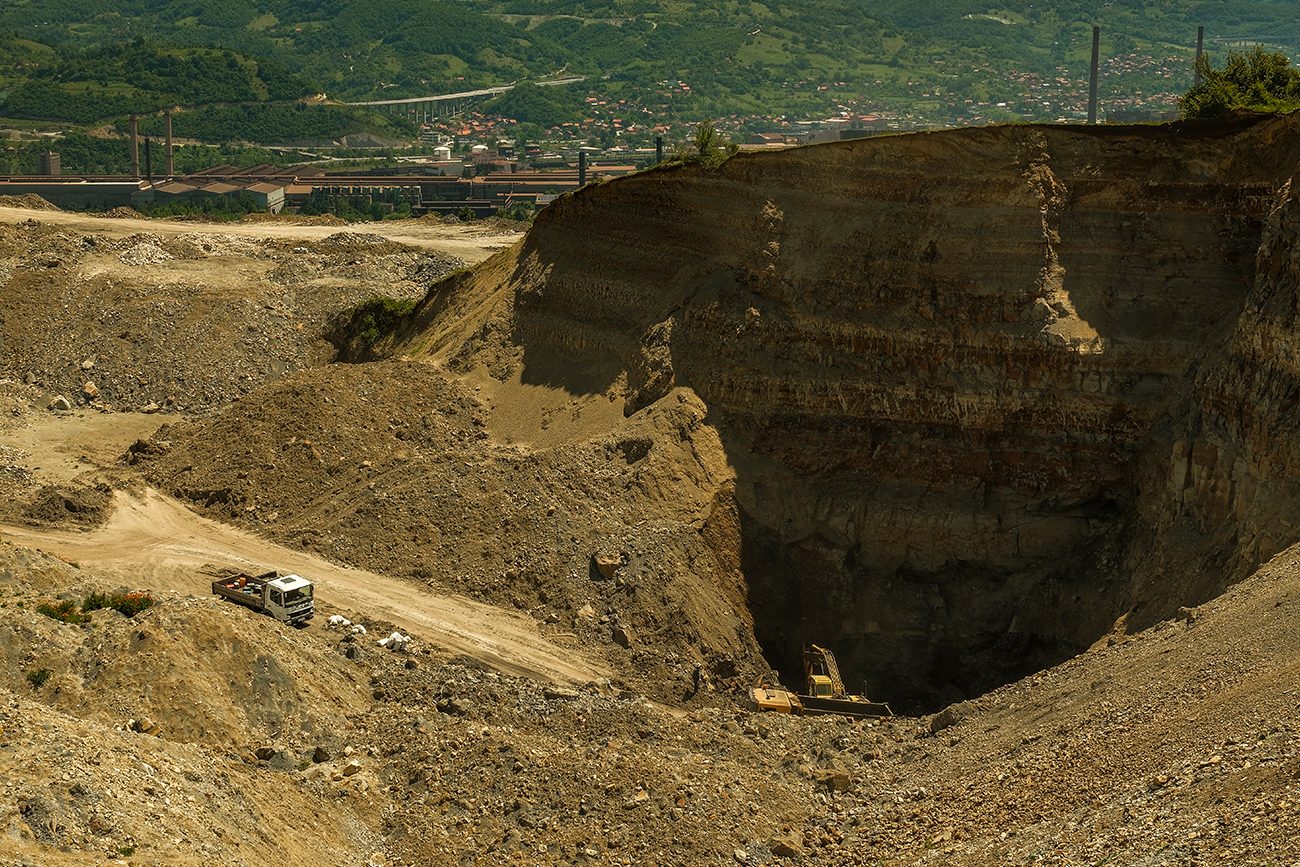
CIN journalists visited the site on several occasions, finding dozens of machines, excavators and coal miners at work. They also identified several Zenica-based companies linked to the distribution of coal from the site. Most of them make millions in profits from the trade.
The company owners, however, claim that the coal is mined by individuals from whom they simply purchase it.
‘We were told that everything was within the legal framework,’ said one of the buyers, Mehmed Dizdarević, owner of Boki Promet.
Under Federation of Bosnia and Herzegovina regulations, anyone seeking to mine coal must meet a range of requirements and obtain the necessary permits. No one operating at Rača has them.
The dark pits of Zenica have claimed the lives of young men who mined coal at Rača without even the most basic safety protection. Yet even these tragedies have failed to spur the authorities into action. Illegal mining continues, threatening to leave more than 100 hectares of land completely devastated.

The Delić Family’s Story
For years, Aziz Delić and his son Husein walked dozens of kilometres every day from Stranjani, a remote neighbourhood of Zenica, to reach an illegal coal pit at the Rača industrial waste site. The pickaxe in Aziz’s hands reminded him of his brother Husein, after whom he had named his son. His brother had died in a mine in 1982. Yet despite the tragedy that had already struck their family, the mine at Rača also meant one thing to the Delićs: putting food on the table.
‘It was hard, gruelling mining work, and everything was done by hand. There were no machines. The supports were put in by hand, the coal was dug out by hand, and then hauled out…’ Aziz recalls.
They loaded the coal into old bath tubs, which they attached with cables to tractors and cars and used to haul the coal out of the pit. Those underground would shout when it was time to pull, while the men on the surface hauled the coal out. It was then sifted and packed for distribution and sale.
While the Delićs and other workers spent entire days underground without any safety equipment, earning just 50 Bosnian marks a day, others were making the profits.
‘It was one tonne per person. If five or six of us were working in one pit, we had to dig out six tonnes a day. We were paid 50 marks each — 300 marks for six people. A tonne of coal, for example, was worth 150 marks, so six tonnes brought in 900 marks,’ Delić explained.
Day after day, Aziz and his son earned their daily wages, fed the family and put money aside to build a house for Husein. There was little other work available, just as there was for most people in the area.
‘We put a bit of the daily wages towards it, and some people helped us out, so that’s how we managed to build this,’ Aziz said, pointing to his son’s unfinished house. Today, no one lives there. Husein had other plans for his life, but fate caught up with him, just as it had with his late uncle, who bore the same name.
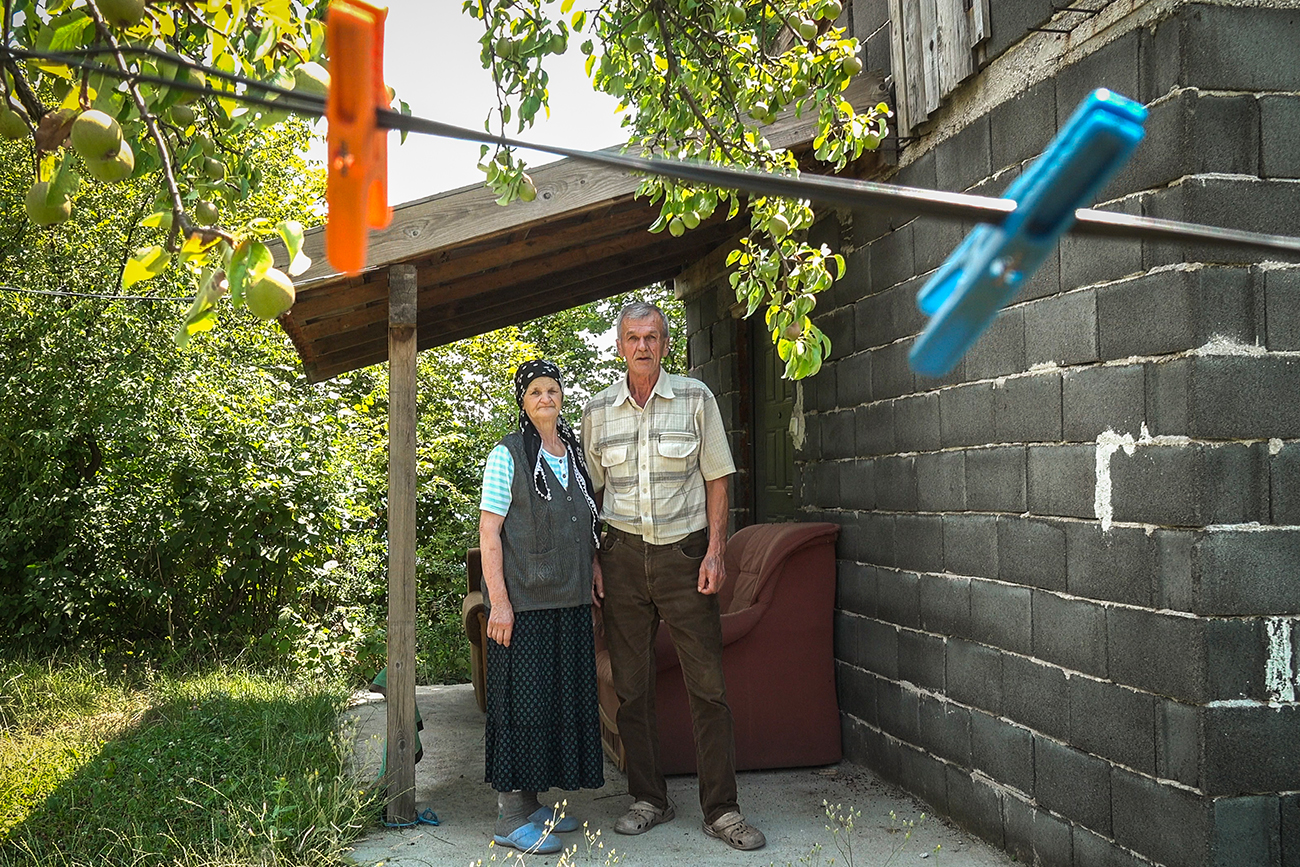
‘Damn Rača,’ Aziz sighed before recounting to the journalists what happened on 15 August 2016. That day, as on any other, he went to Rača with Husein. Their son-in-law, Sedžad Đerahović, his father Mehemed, and their friend Amir Arnautović also went with them.
The plan was for Husein, Sedžad and Amir to go down into the pit. All three were fit men in their early thirties. Aziz and Mehemed would wait for them on the surface.
‘When they didn’t answer, I started shouting, ‘What’s taking so long? What’s going on?’ No one answered from the pit. So I went down to see what had happened. When I got down there, I found the three of them lying next to each other in the passage,’ Aziz recalls.
He tried to reach his son but immediately felt the gas choking him. ‘Then I knew what had happened. (…) I went back up, and we called for help. We pulled them out, and they started CPR, but they couldn’t bring them back. Not a single one of them.’
The image of his lifeless son being brought out of the pit has haunted Aziz for the past decade.
‘I don’t know how I didn’t die of grief,’ Aziz said through tears. Then he added: ‘If only he were still alive. We would have found a way somehow. There were other ways to make a living.’
According to data from the Zenica Prosecutor’s Office, Husein, Sedžad and Amir died after being overcome by methane and carbon dioxide inside the illegal pit. Sedžad left behind his pregnant wife, Azra Delić, and three other children. His father, Mehemed, was sentenced to two and a half years in prison for organising coal mining at an improvised pit where workers had no safety protection whatsoever. None of their lives has been the same since. Azra did not feel able to speak to CIN journalists.
These were not the only fatalities in Zenica’s illegal mining pits. According to data from the Cantonal Prosecutor’s Office of Zenica-Doboj Canton, another young man lost his life at an illegal pit at Rača, in addition to the three deaths in August 2016. He was a 26-year-old S.H., who died in November 2017 when earth collapsed on him as he was mining coal.
Coal mining at Rača continued even after these deaths.
No Permits, No Concession
For decades, coal was extracted by hand at the Rača industrial waste site and in the nearby settlements of Podbrežje and Stranjani. For years, the site was mined for slag, a by-product of steel production at the Željezara steelworks located near the site.
But this part of Zenica has long been rich in mineral deposits, and over time the extraction and sale of coal became a main source of income for residents.
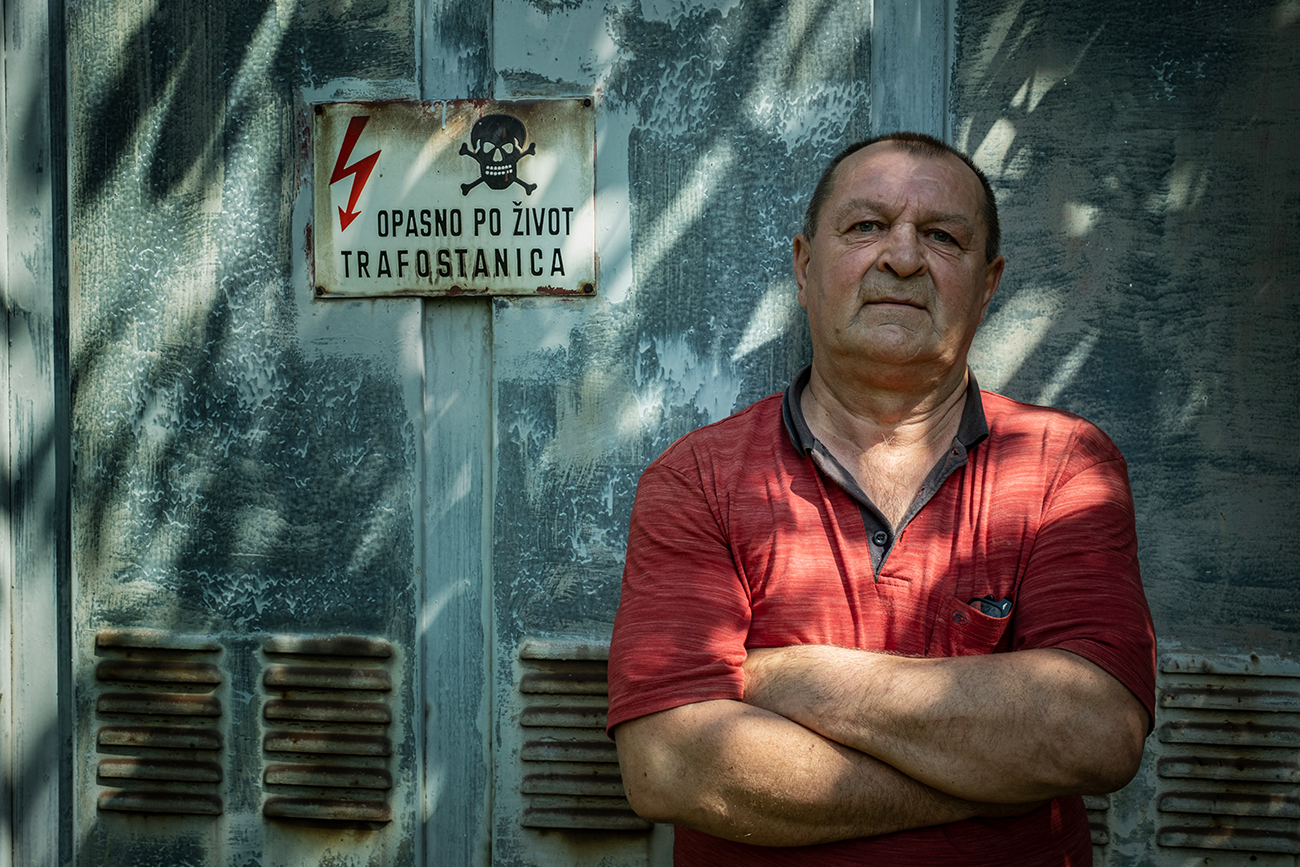
Ramiz Selman, a former miner from the Tetovo neighbourhood, says he could once earn as much as 700 marks a day from selling the coal he extracted.
‘Perhaps 500 people now make a living from Rača,’ Selman says, adding that there is so much money ‘slushing around’ in the area that it could have been enough to buy the Zenica steelworks.
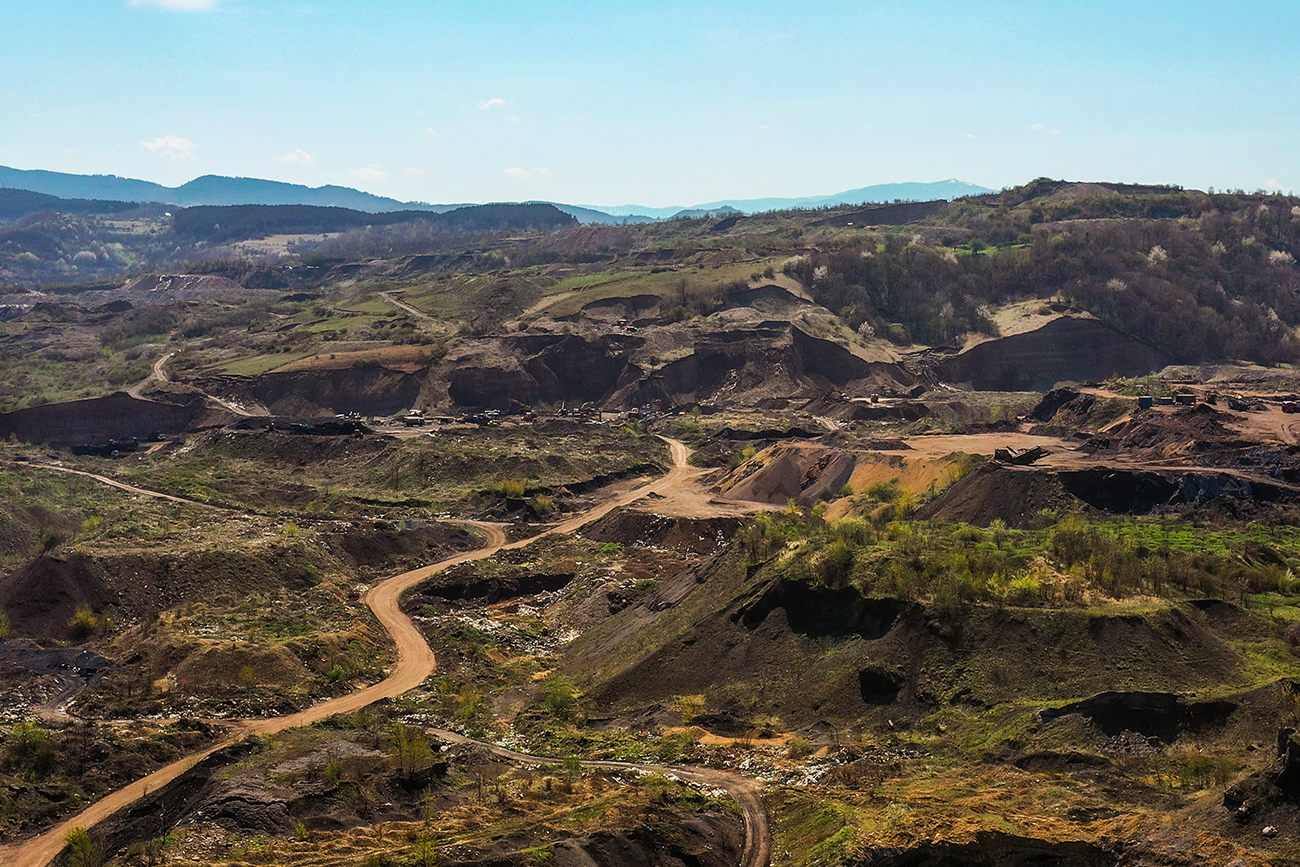
As mining operations expanded and coal became easier to access, open-cast mining began at Rača, similar to the methods used at licensed mines.
‘They no longer extract coal from bath tubs, nor do they mine it through pits. Instead, they have moved to open-cast mining, using excavators, bulldozers and lorries to remove the waste material, or overburden, and reach the coal,’ Mirsad Šahbazović, director of the Zenica Coal Mine, told CIN journalists.
Yet none of the workers or companies extracting and selling the coal has the necessary permits or concessions. The Federal Ministry of Energy, Mining and Industry says it is unaware of any such activity in this part of Zenica, despite having been alerted to the illegal mining operations on several occasions.
‘Only companies holding permits to extract mineral resources and operating under approved mining plans in accordance with the Federation of Bosnia and Herzegovina Mining Law may engage in mineral extraction,’ the ministry said. It added that it had never authorised geological surveys or the extraction of mineral resources at Rača.
The Ministry of Economy of Zenica-Doboj Canton has likewise issued no permits or concessions for mining in the area. It, too, has been warned about the illegal activities on several occasions, but the complaints appear to have fallen on deaf ears.
CIN journalists identified several companies involved in distributing coal from Rača. According to their financial statements, most of them make millions of marks in profits from the trade.
‘This isn’t mining; it’s simply buy and sell,’ said Muamer Skomorac, owner of one of the companies, SKM GROUP.
A miner who worked for him and agreed to speak to CIN journalists on condition of anonymity said Skomorac had 10,000 tonnes of coal stockpiled at his site at Rača, extracted from a mine known as Vozina. He said he had sifted and sorted the coal for Skomorac, with a tonne selling for 150 marks during the winter season and for as much as 250 marks including delivery.
The wholesale trade, meanwhile, is directed towards Natron-Hayat in Maglaj. The company received several enquiries from CIN journalists but failed to respond, despite promising to do so.
Owners of other companies also confirmed that most of the coal they transport is delivered to Natron-Hayat. They claim they are simply buying and reselling coal extracted by individuals.
‘People are doing the mining up there (…). We don’t need a concession just to buy something. I buy the coal, and that’s it,’ Izet Šišić, owner of IZO KOP, told CIN.
Coal buyer Mehmed Dizdarević, owner of Boki-promet, said his company operates entirely within the law. ‘I have a purchase receipt from an individual. Under the law, I can buy up to 100,000 marks’ worth from him. He is required to pay 10 per cent of that amount, and that’s where it ends.’
Dizdarević’s company generated revenues of nearly six million marks in 2025. A significant share of the company’s revenue comes from Natron-Hayat, to which it sells between 1,000 and 1,500 tonnes of coal every month.
Threat of landslides
The area where the mining takes place covers around 1.2 million square metres. Of this, 133,000 square metres belong to the City of Zenica, 34,500 square metres to the Zenica Coal Mine (RMU Zenica), and around half a million square metres to the New Steelworks and the steelworks currently in bankruptcy. More than half a million square metres is publicly owned, while the remaining land belongs to residents of nearby settlements.
Meanwhile, as some profit from illegal pits, the legitimate and licensed RMU Zenica is facing closure after years of financial and operational problems. The Federation government has attributed the mine’s poor performance to problems with work organisation, a large workforce and high levels of absenteeism, as well as the difficult conditions in which the coal is extracted — including great depths, complex geological conditions and difficult transport.
Part of the land at Rača where coal is being extracted is owned by RMU Zenica and was once part of the mine’s designated extraction area. Although RMU Zenica never officially closed the open-cast mine, its miners eventually stopped working there.
‘It is devastating in every respect, both professionally and morally, because society has allowed people to make profits through irregular means while, on the other hand, we, the workers employed by the Zenica Mine, have now gone three months without receiving our wages,’ said Mirsad Šahbazović, director of RMU Zenica.
The workers carrying out the mining will not allow anyone near the excavations at Rača. CIN journalists made several attempts to film the site, but were subjected to verbal abuse, filmed themselves and followed.
‘Unfortunately, there have never been any mining experts there, nor have there been any inspections,’ said Prof. Dr Jovan Sredojević, a mining engineer from Zenica who has produced a number of expert studies on the rehabilitation of the Rača site.
With the assistance of officers from the Zenica Police Administration, CIN cameras finally captured footage of the Rača site in July 2026. The journalists found extensive coal mining operations, large piles of overburden, active pits and traces of earlier excavations. As they entered the site, the machinery was switched off, and workers began hiding. They refused to say who they worked for.
‘On several occasions, the Zenica Mine set up commissions made up of the mine’s technical experts to inspect specific sites. However, when they went there, the members of those commissions were exposed to various dangers,’ Šahbazović told us.
Cantonal inspectors rarely visit the area, having also faced harassment and attacks from workers at the site. They do not consider it their responsibility to inspect the operations either, arguing that ‘coal, as an energy mineral resource, falls exclusively under the jurisdiction of the federal authorities’.
‘I forwarded every report concerning coal extraction to the Federal Administration for Inspection Affairs for further action,’ inspector Admir Hrvanović wrote.
Federal mining inspectors say they have received reports of illegal coal mining at Rača. They say that, in response, they held several working meetings in 2018 and 2022 with the Zenica-Doboj Canton Ministry of Interior, the Zenica-Doboj Canton Prosecutor’s Office, RMU Zenica and RMU Kakanj. They added that they had also visited the site in cooperation with the police and prosecutors, but did not say whether any sanctions had ever been imposed.
The Zenica Police Administration, however, said that over the past five years, neither inspectors nor any other authorities had requested police assistance or intervention during visits, inspections or other official proceedings at Rača.
CIN’s sources stress that the problem is no longer limited to illegal coal mining, but also includes the growing threat to the environment and to the people carrying out the mining. Professor Sredojević had warned local authorities that the main collector beneath the site was at risk. The Rača stream runs through it, but he says the authorities showed little interest in addressing the problem.
‘Any damage to the collector, in other words, any obstruction of the watercourse, poses an extremely serious threat to the environment. I raised the issue twice at the City Council, saying that we need to make sure the collector does not fail. If we block the water and the site fills up, we’ll be looking for the waste site somewhere around the Zenica steelworks,’ said Prof. Dr Sredojević.
RMU Zenica also recorded ground movement at several locations in early 2025 and warned the authorities, but once again, no action followed. The mine director explained that overburden removed during coal extraction must be transported in a controlled manner to a designated disposal site to prevent an environmental disaster, while land affected by mining must subsequently be reclaimed or restored.
‘The weight of that overburden can potentially trigger a landslide. The excavation itself, if carried out improperly, can also cause a landslide and set large masses of earth in motion. It can put a settlement at risk. It can put people’s lives at risk,’ Šahbazović said.
Despite the fatalities and years of warnings, mining continues at Rača. While the authorities continue to shirk responsibility, the illegal operation carries on – without permits, without a concession and without consequences.
‘There’s no paperwork there whatsoever. (…) You just take a pickaxe and a shovel and dig into the side of the hill. There’s coal there, so I find myself a spot – that’s my pit. I find some workers and get on with it. That’s all there is to it,’ Aziz Delić concluded.
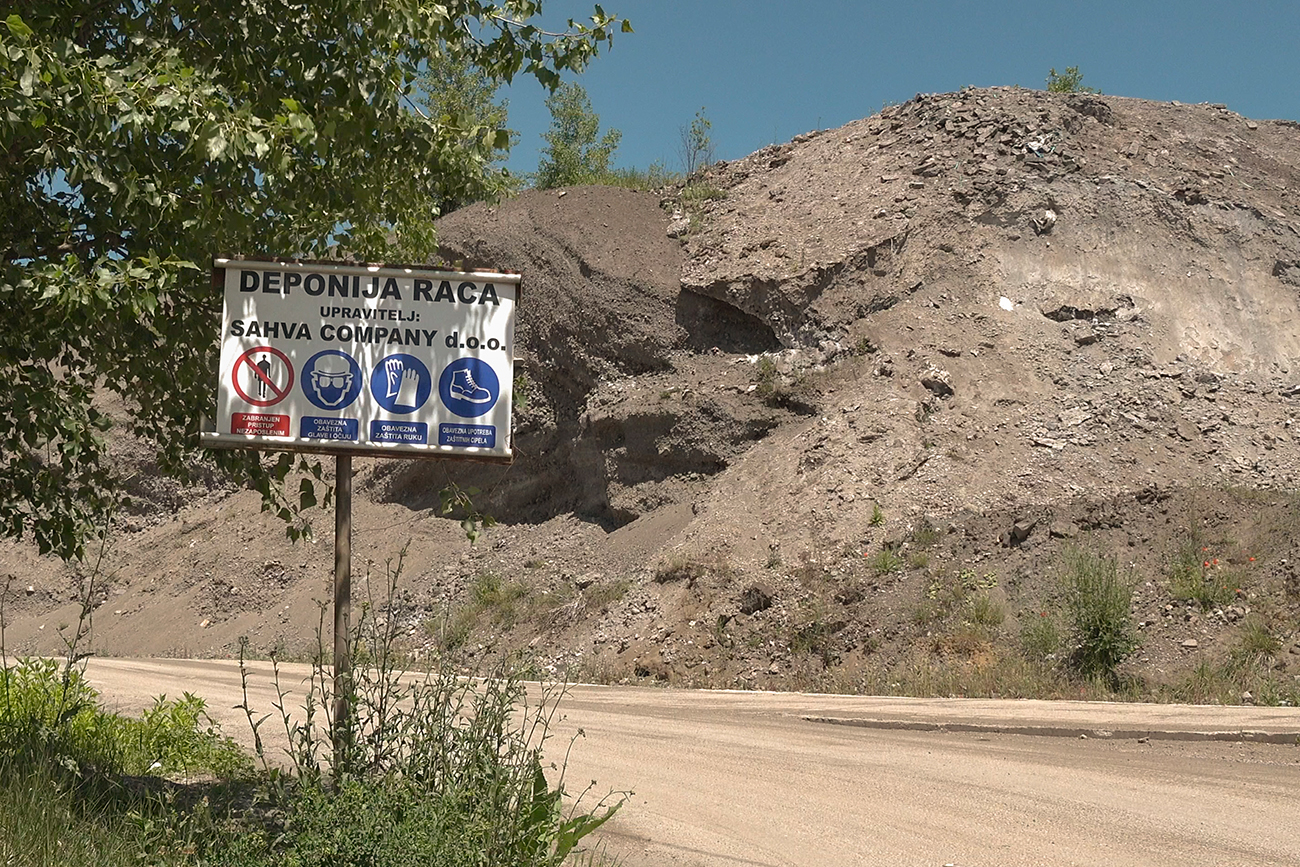
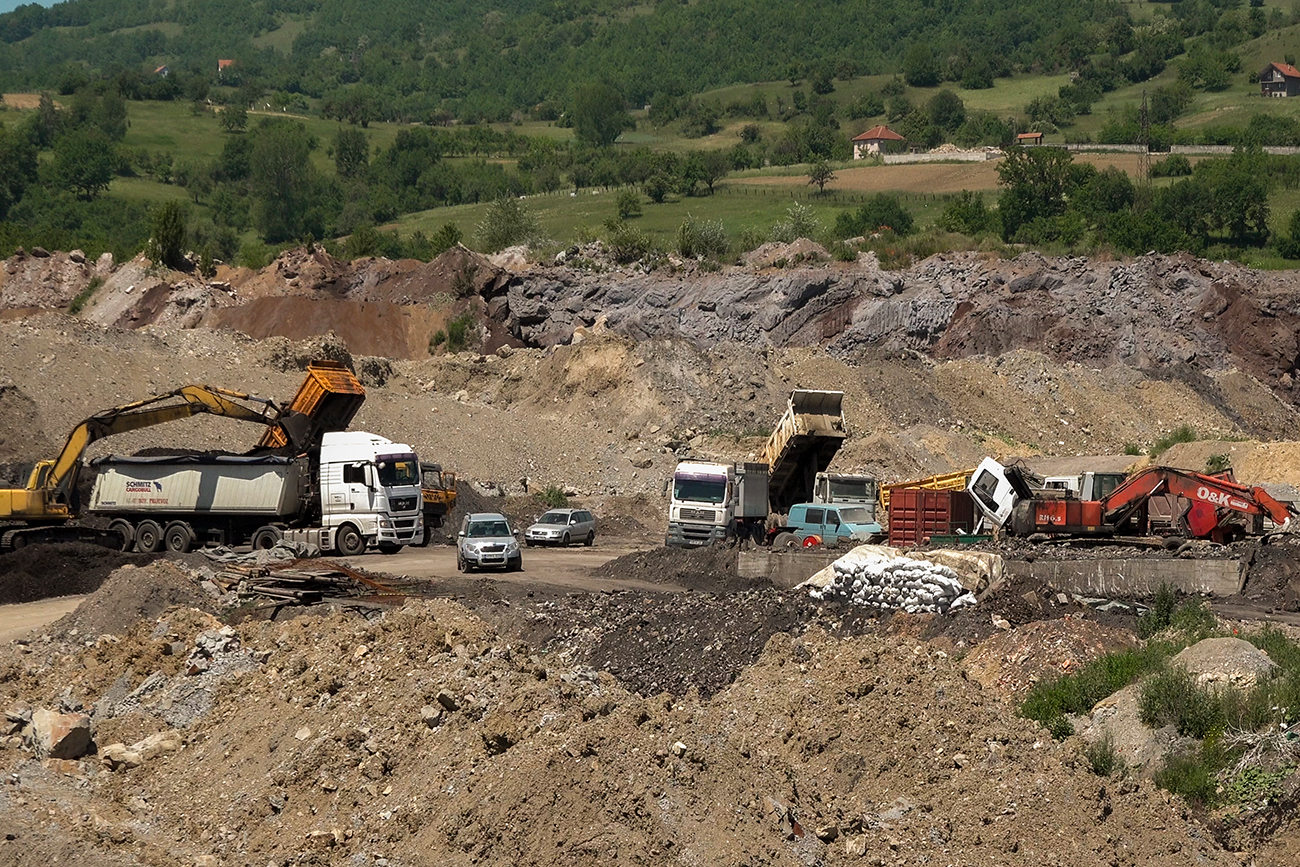
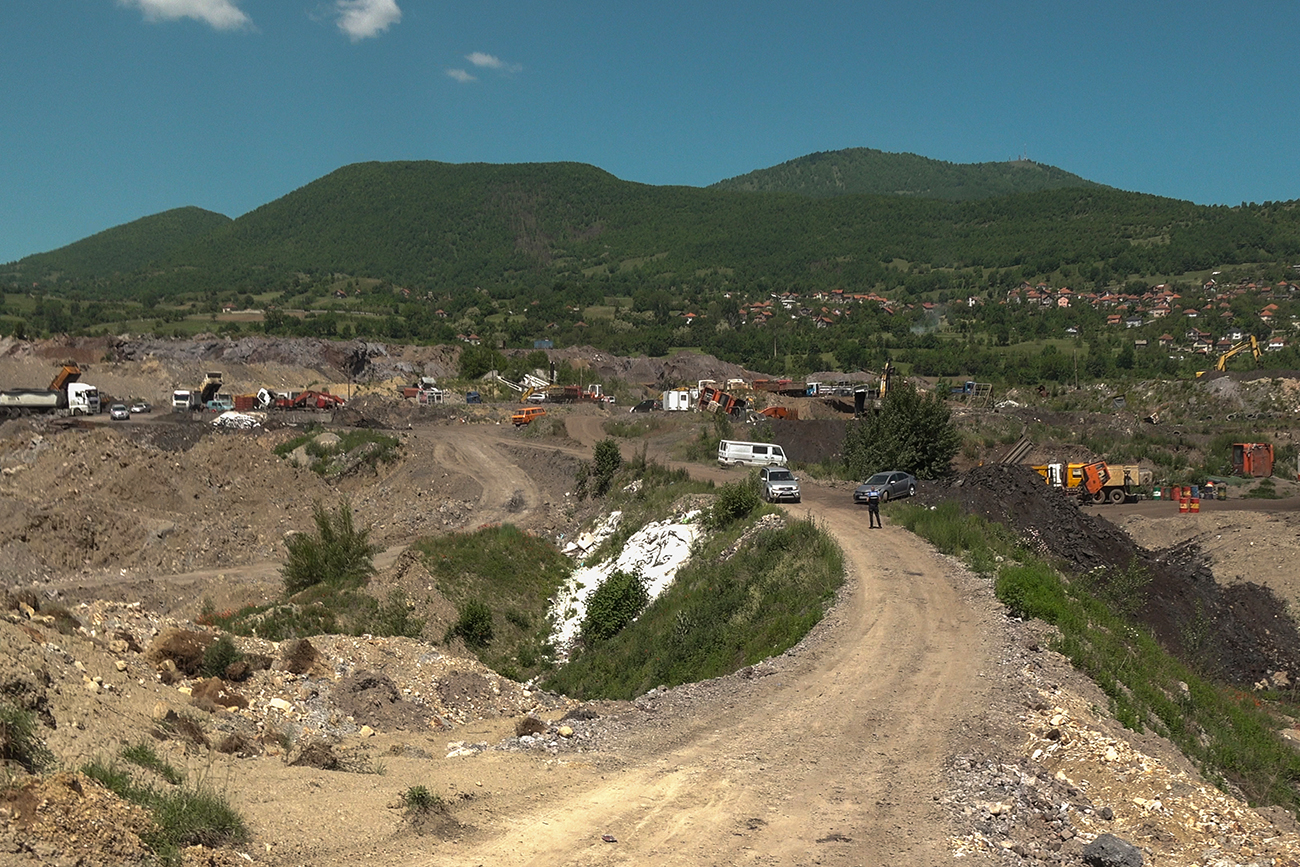
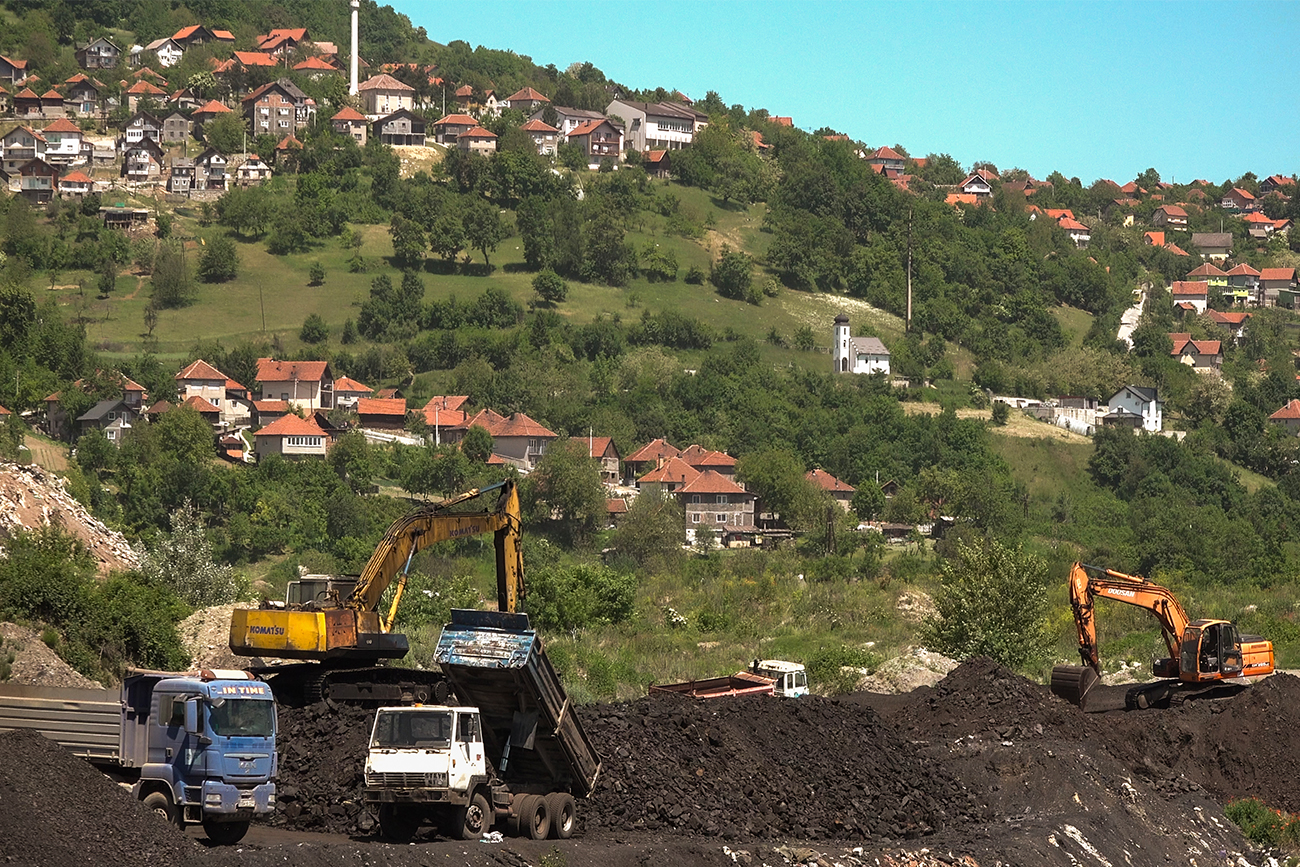
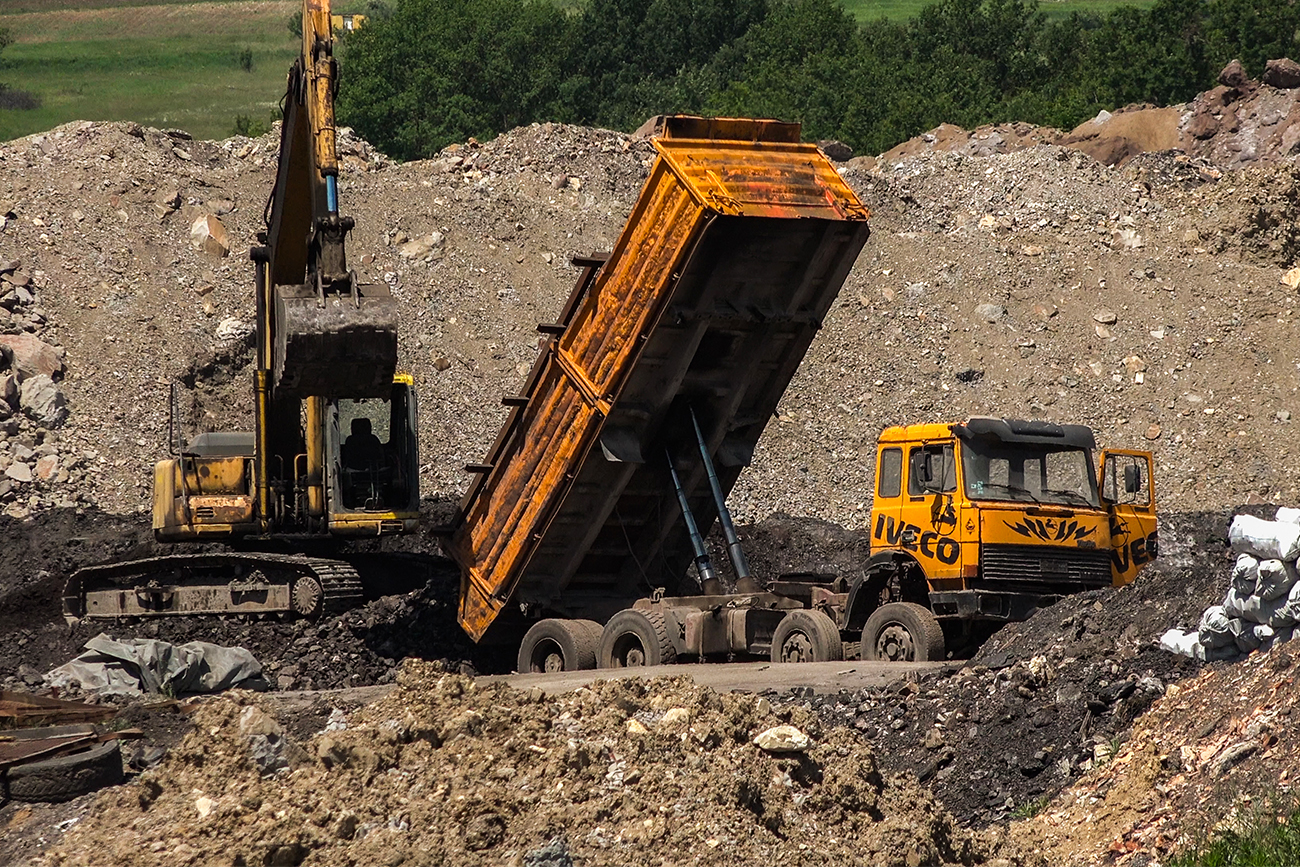
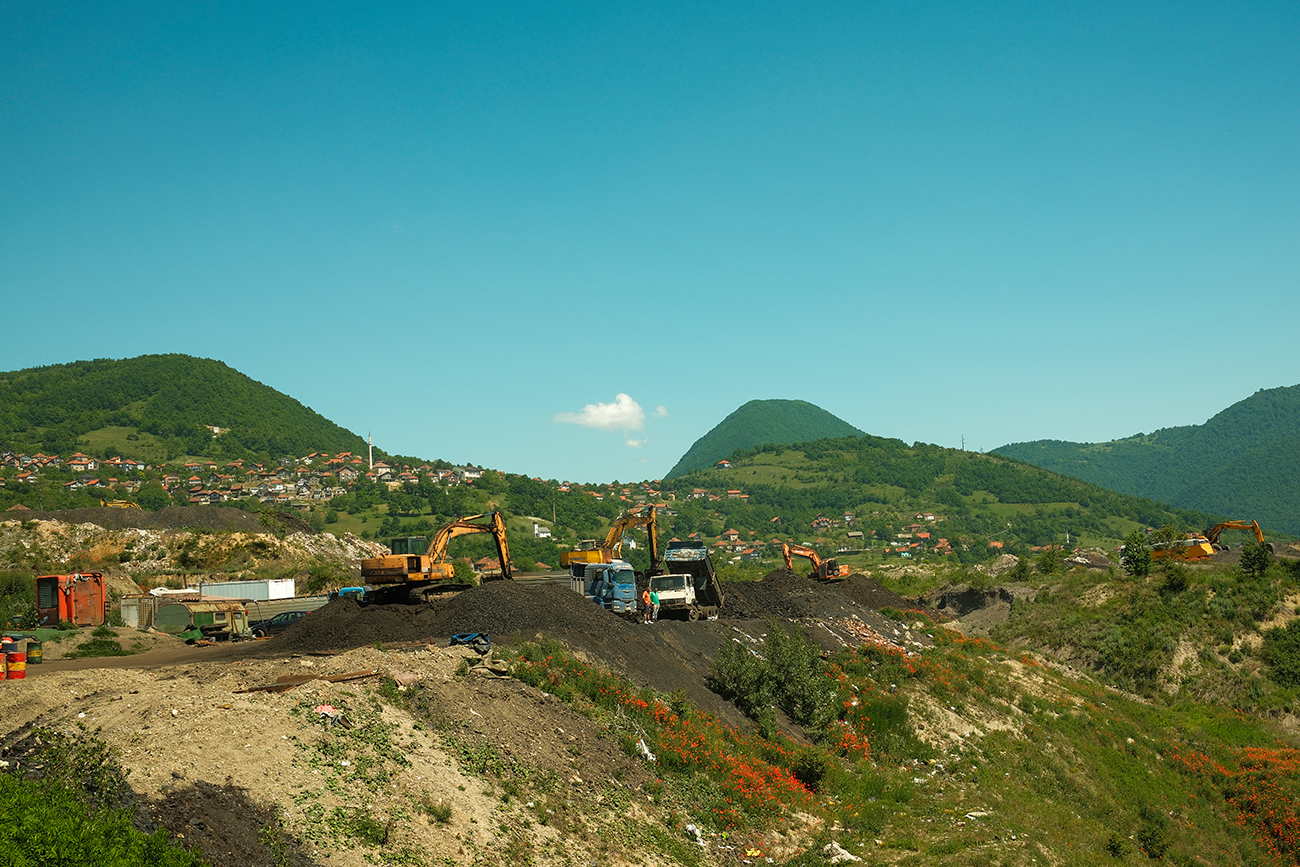
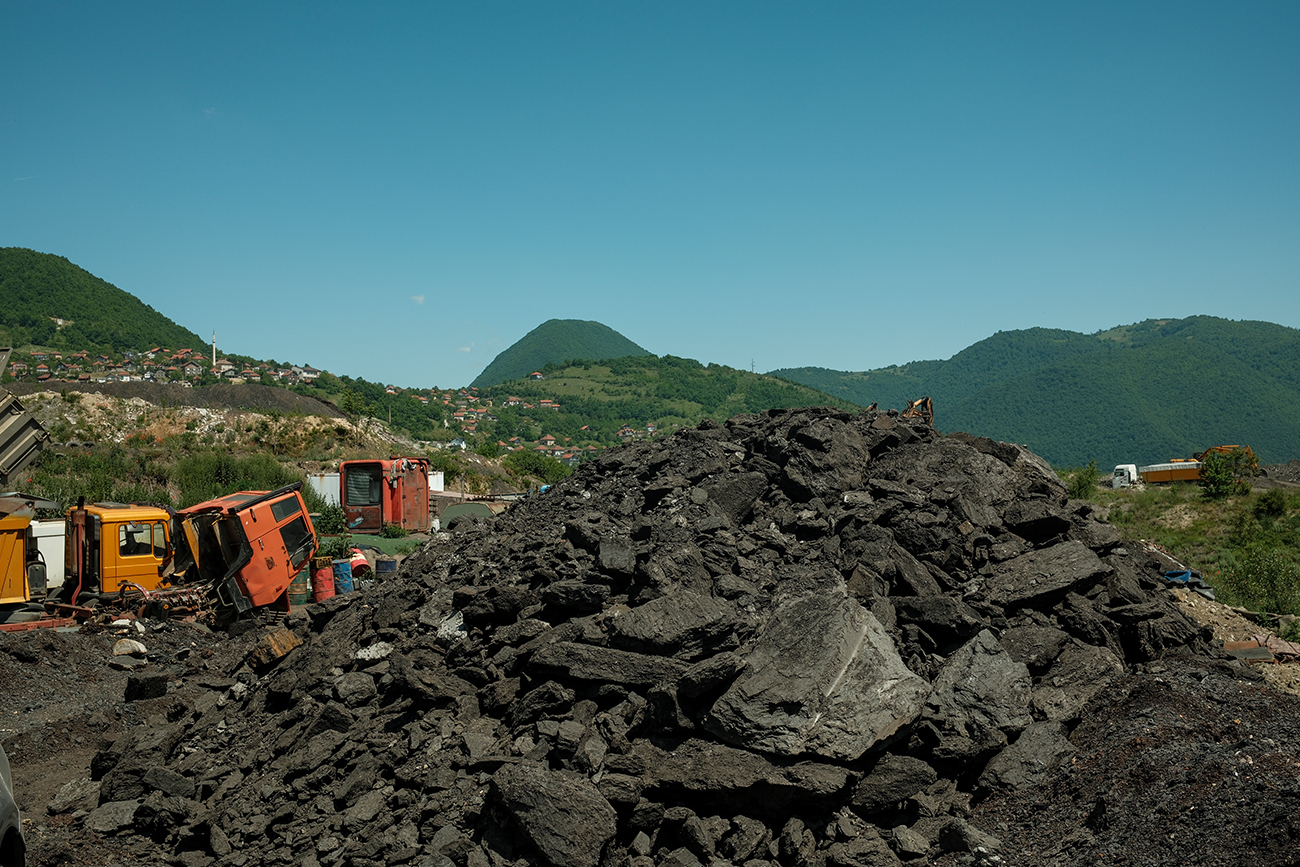
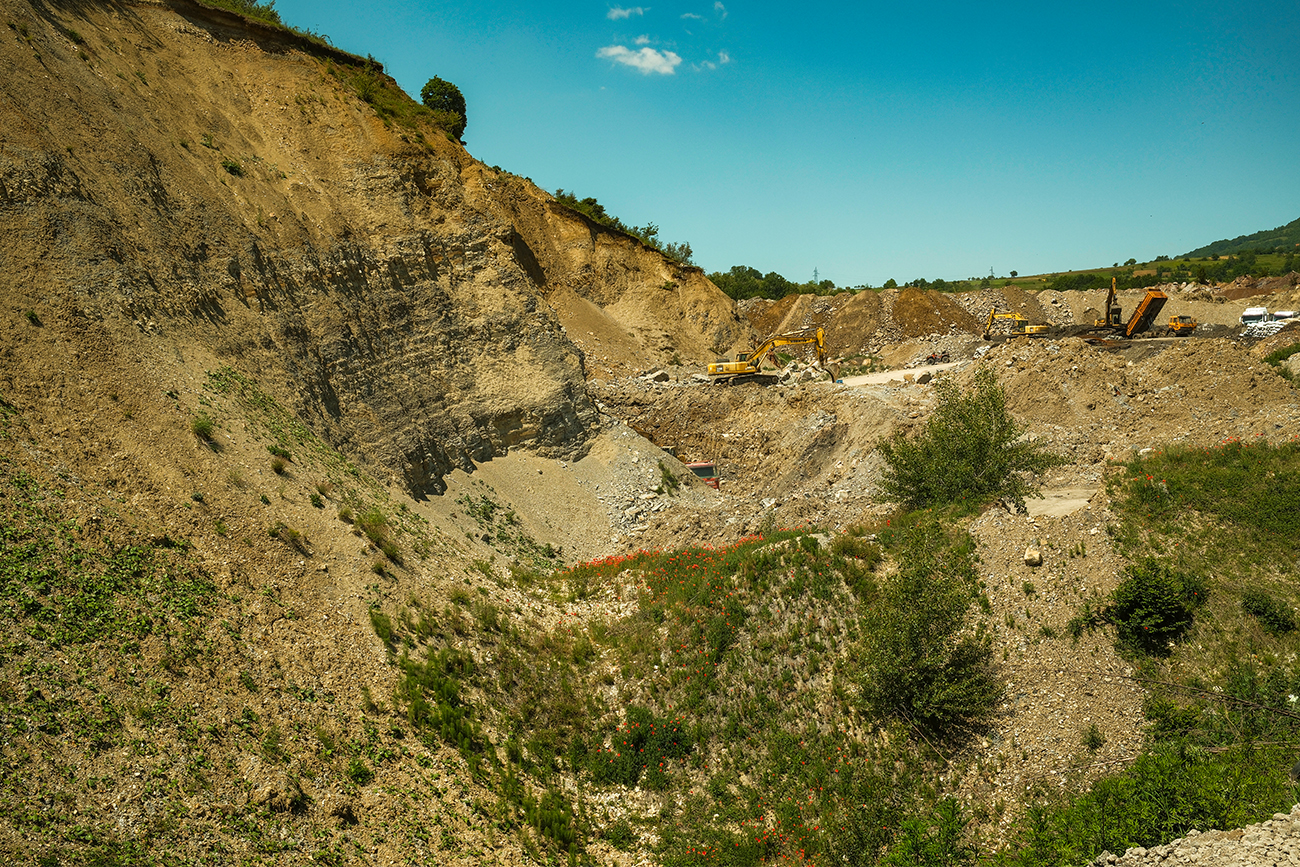
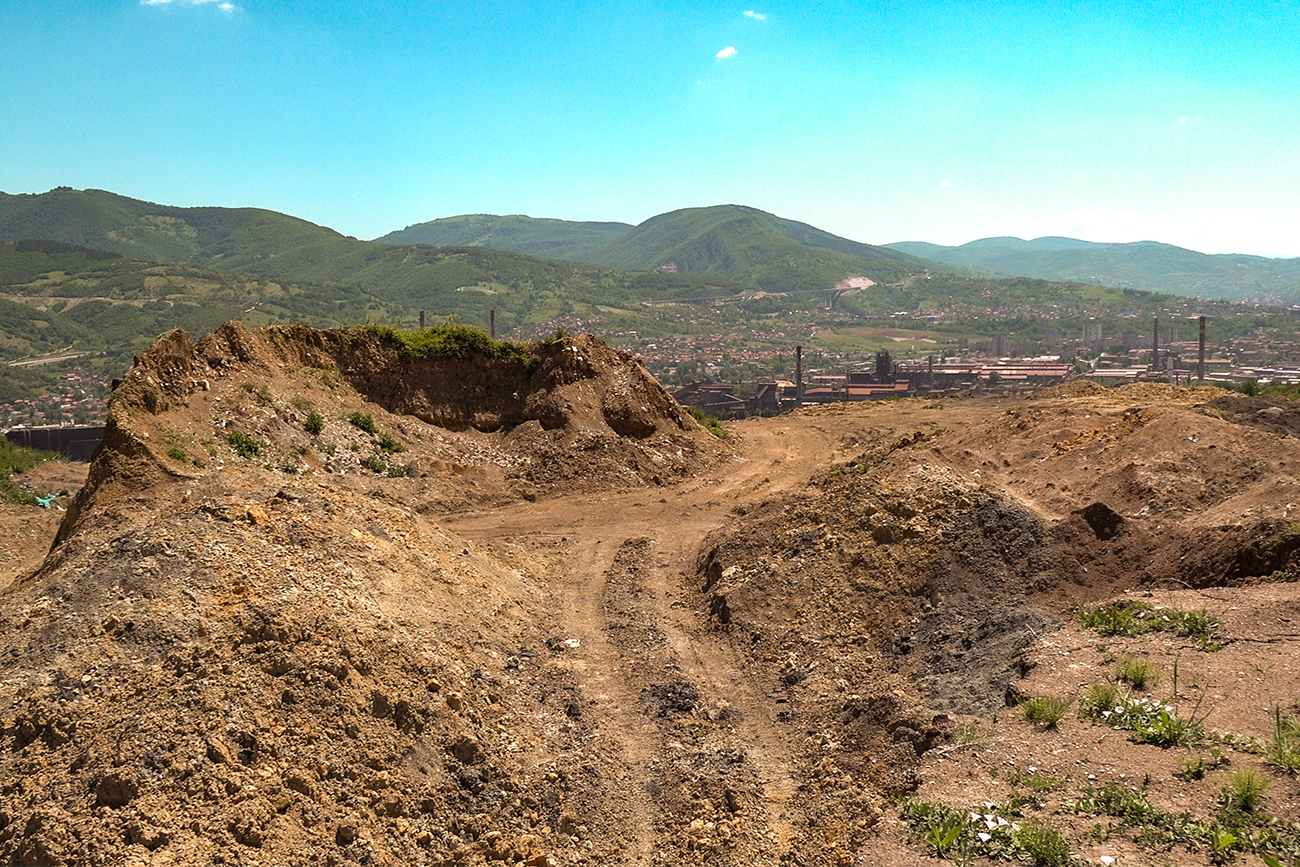
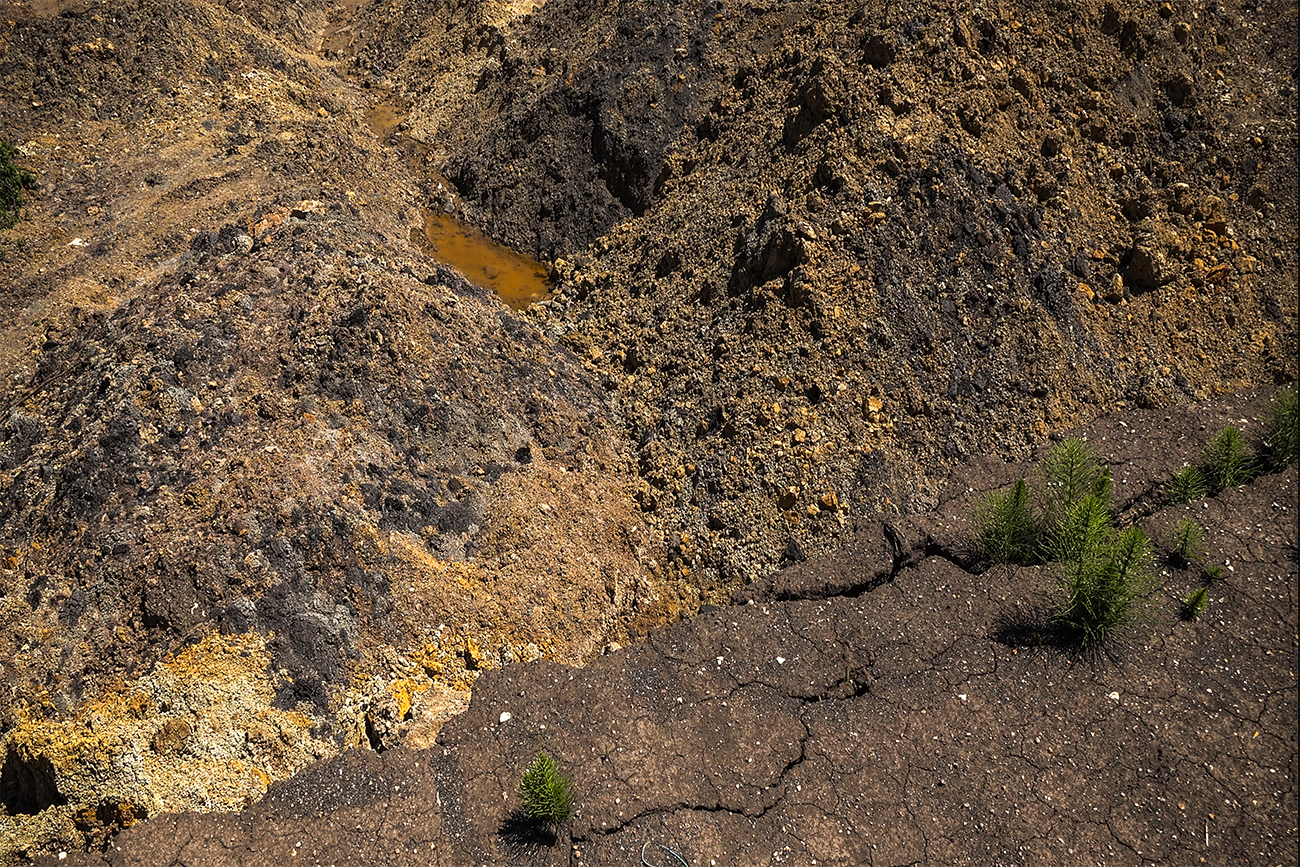
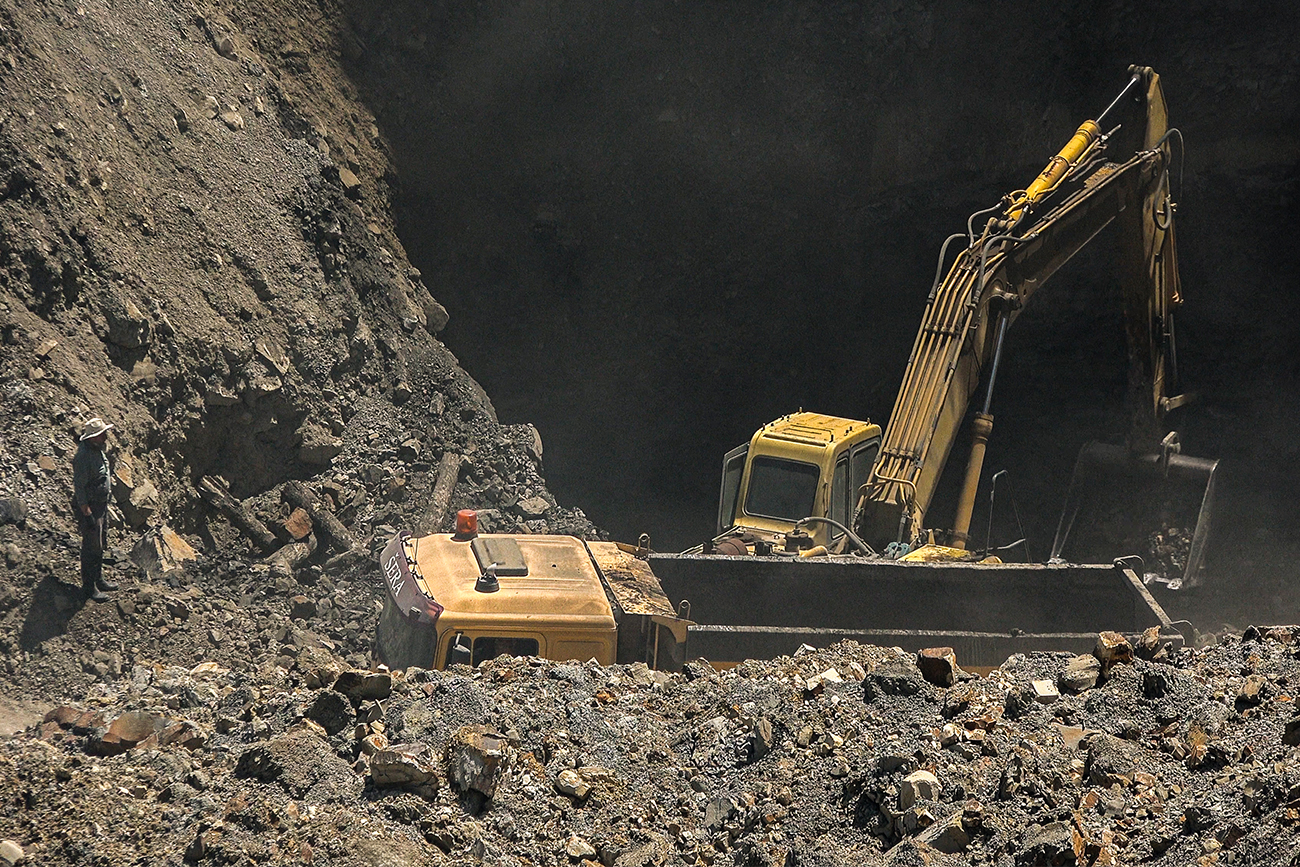
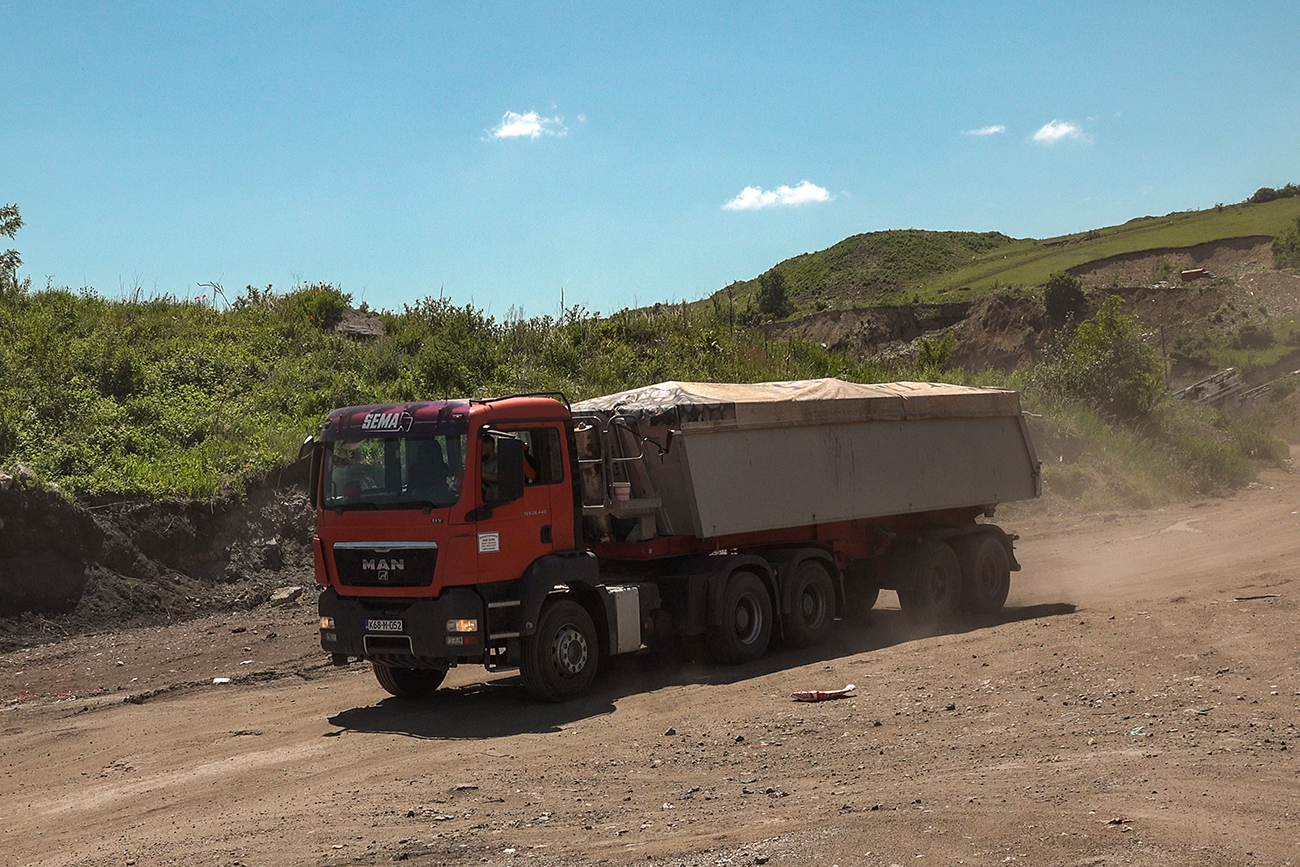
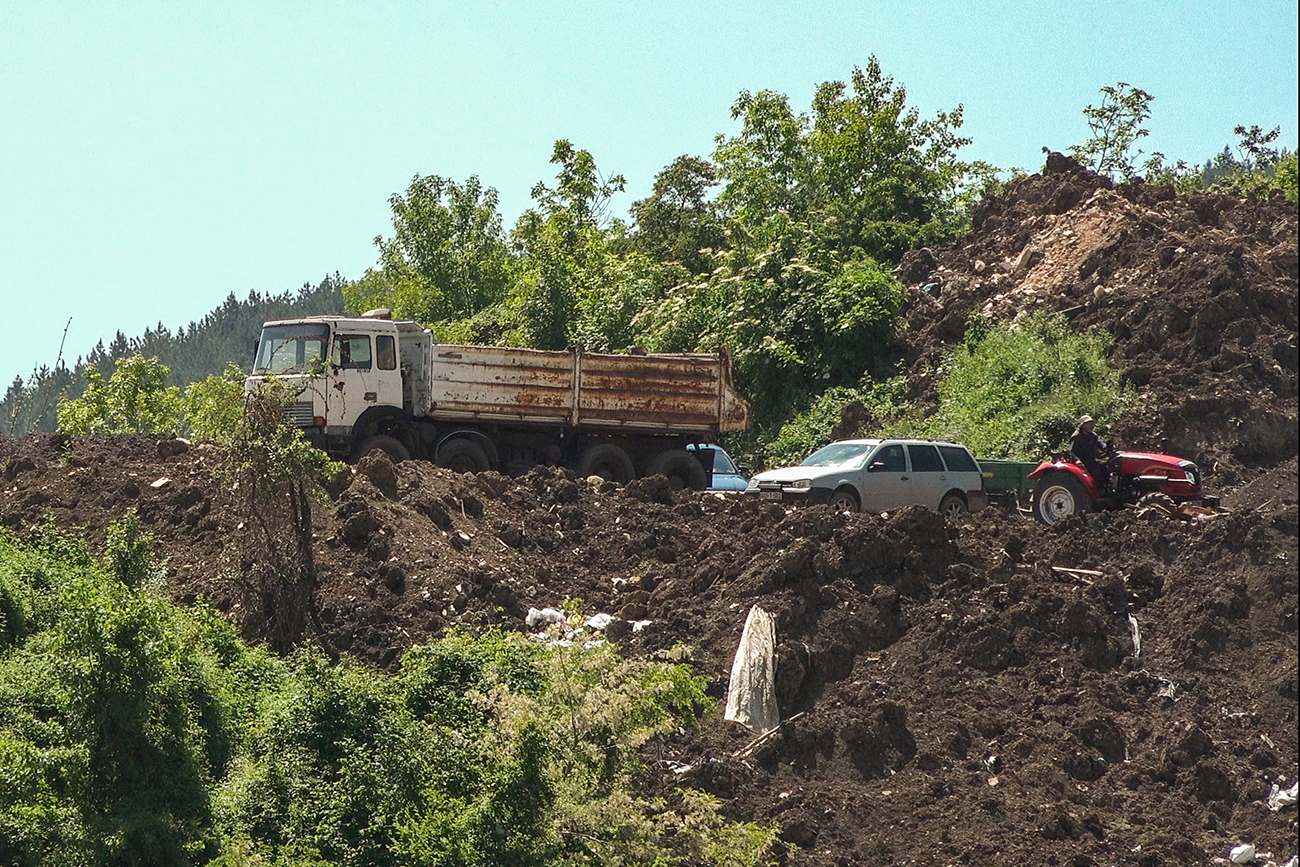
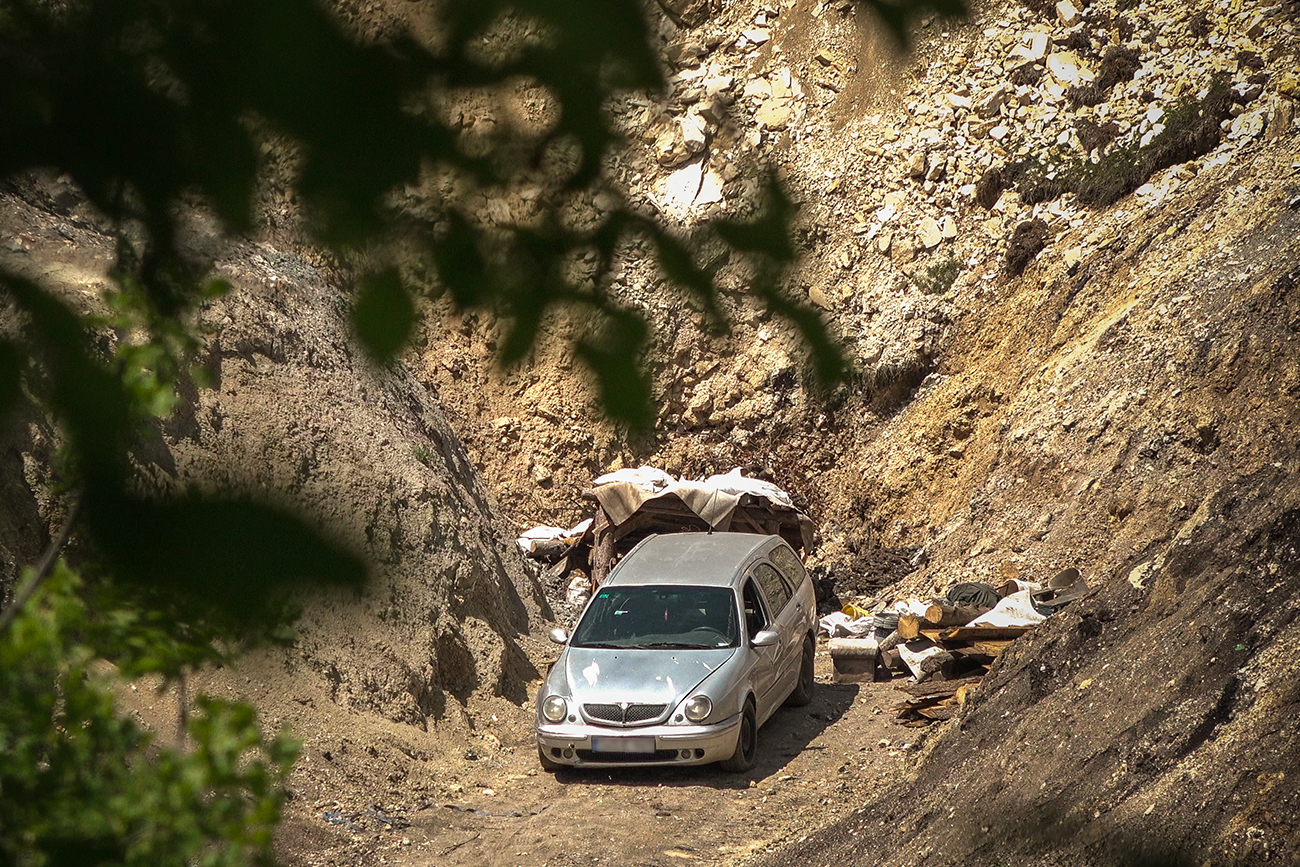
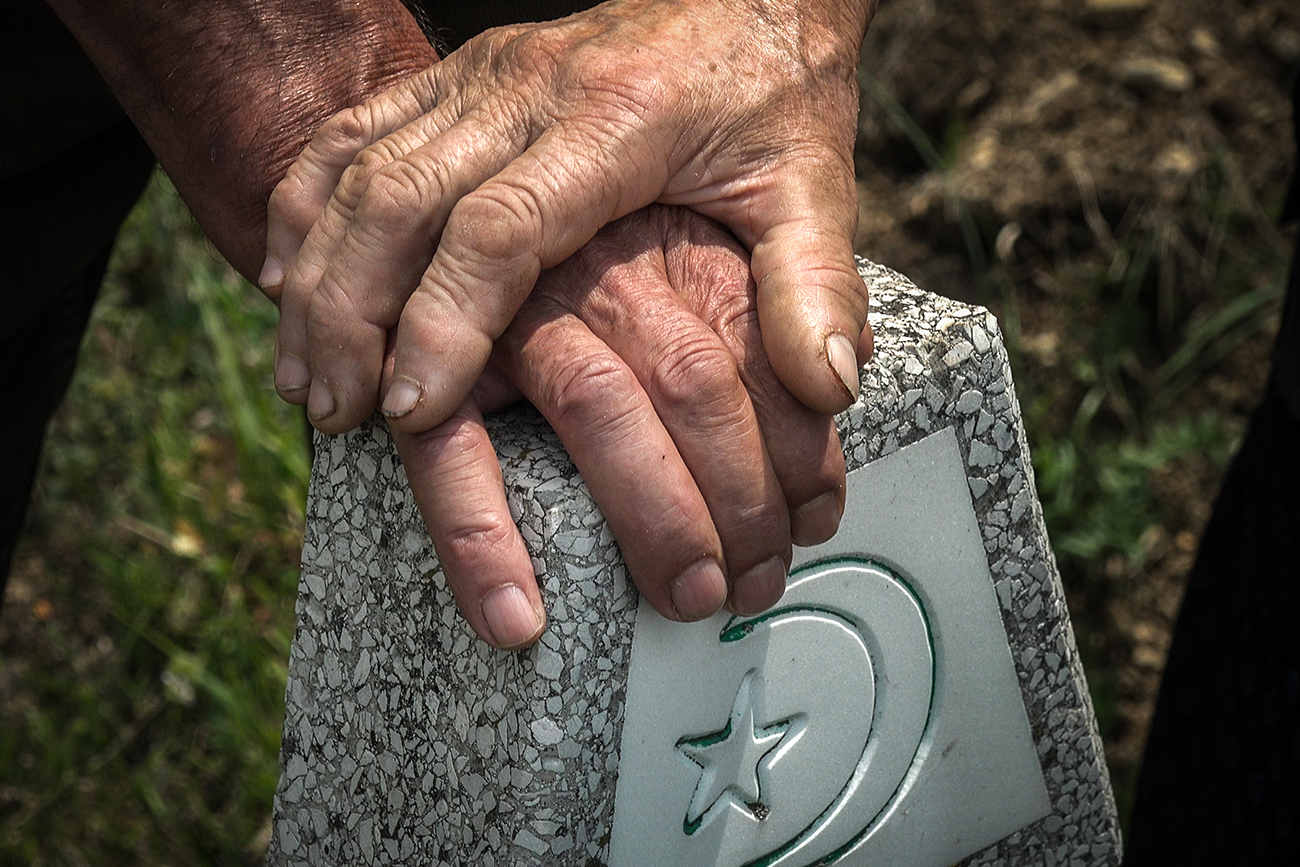
Photo: Dženat Dreković (CIN)