
For years, Serbia’s Ministry of Justice has failed to provide Bosnia and Herzegovina’s Prosecutor’s Office with documentation collected during an investigation into the purchase of a villa by Milorad Dodik, the former president of Republika Srpska and leader of the Alliance of Independent Social Democrats (SNSD). As a result, the case at BiH’s State Prosecutor’s Office has ground to a halt, with no progress in the investigation.
Back in 2009, reporters from the Centre for Investigative Reporting (CIN) revealed that Dodik had to pay for the villa in Belgrade’s exclusive Dedinje district before he could be registered as its owner. However, he only secured a loan for the purchase eight months later.
Serbia’s Prosecutor’s Office for Organised Crime told CIN reporters that it had submitted a witness interview transcript to the Serbian Ministry of Justice as far back as March 2022.
Yet BiH prosecutors are still waiting for the documents in the case first opened in 2015, despite repeated formal requests and follow-up appeals sent to the relevant Serbian authorities.
“The problem is that Serbia is failing to provide evidence through international legal assistance channels. We still do not have that evidence,” said Milanko Kajganić, Chief Prosecutor of Bosnia and Herzegovina, at a recent press conference.
Serbia’s Prosecutor’s Office for Organised Crime said it had complied with the MLA request from Bosnia and Herzegovina. The first MLA request from BiH’s Prosecutor’s Office was sent in July 2016, seeking the questioning of a witness and collecting documents.
Officials said they spent years trying to locate the witness and even sought help from Serbia’s Interior Ministry before finally interviewing the individual six years later, on 8 August 2022.
Serbian Prosecutor’s Office say they forwarded the witness interview transcript, an audio recording of the testimony and supporting documentation to Serbia’s Ministry of Justice in November 2022.
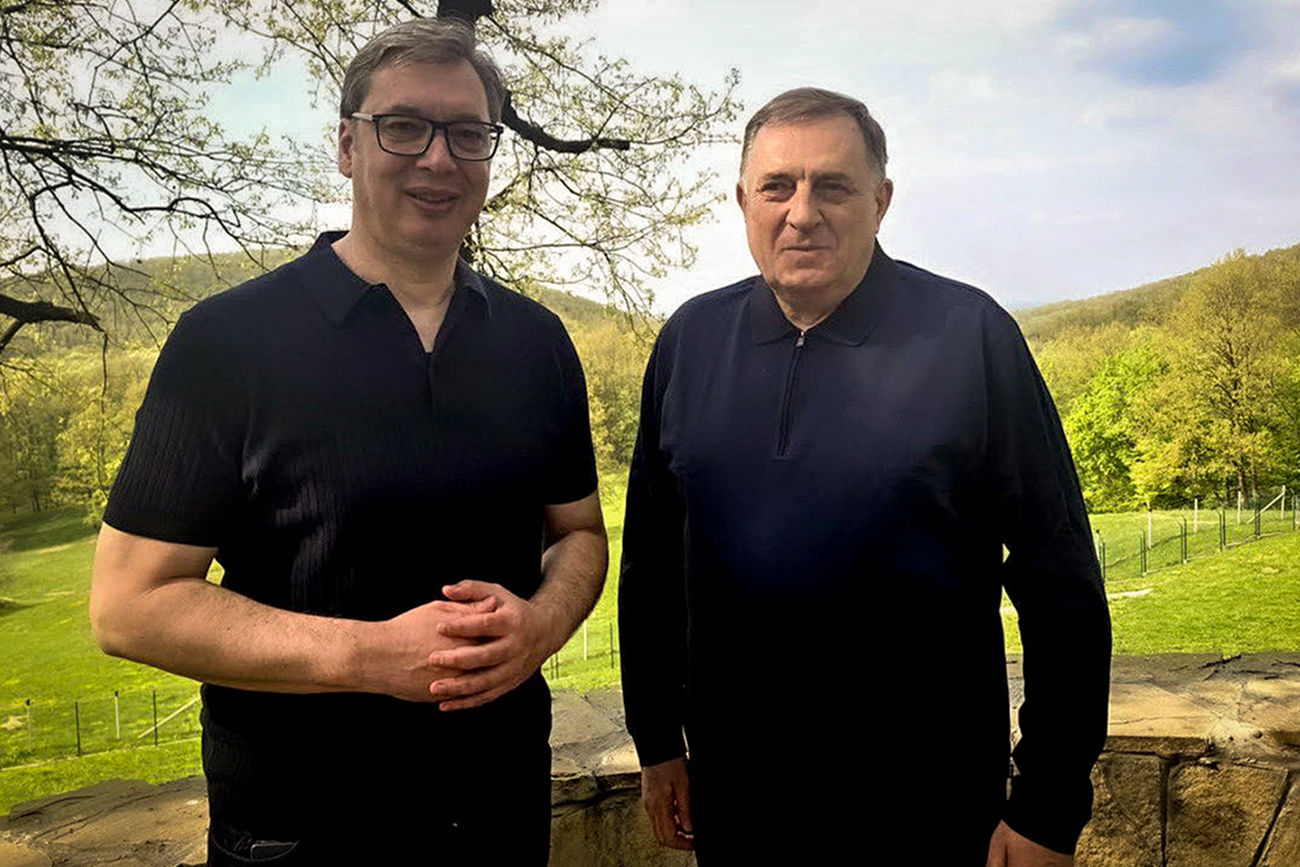
When BiH first submitted its MLA request, Serbia was governed by Serbian Progressive Party (SNS), i.e., President Aleksandar Vučić. During that period, presidents and most cabinet ministers have come from the party’s senior ranks or those of its coalition partners. Vučić and Milorad Dodik have frequently appeared together in public, emphasising close ties and stronger relations between Serbia and the BiH Entity.
According to Serbia’s Prosecutor’s Office for Organised Crime, Serbia’s Interior Ministry has likewise failed to act on requests from prosecutors to conduct financial checks. Officials said they last sent a formal reminder on 3 April 2025 — to no avail.
Neither the Ministry of Justice nor the Interior Ministry of this eastern BiH neighbour responded to CIN’s requests for comment.

Nearly two decades after the controversial villa purchase
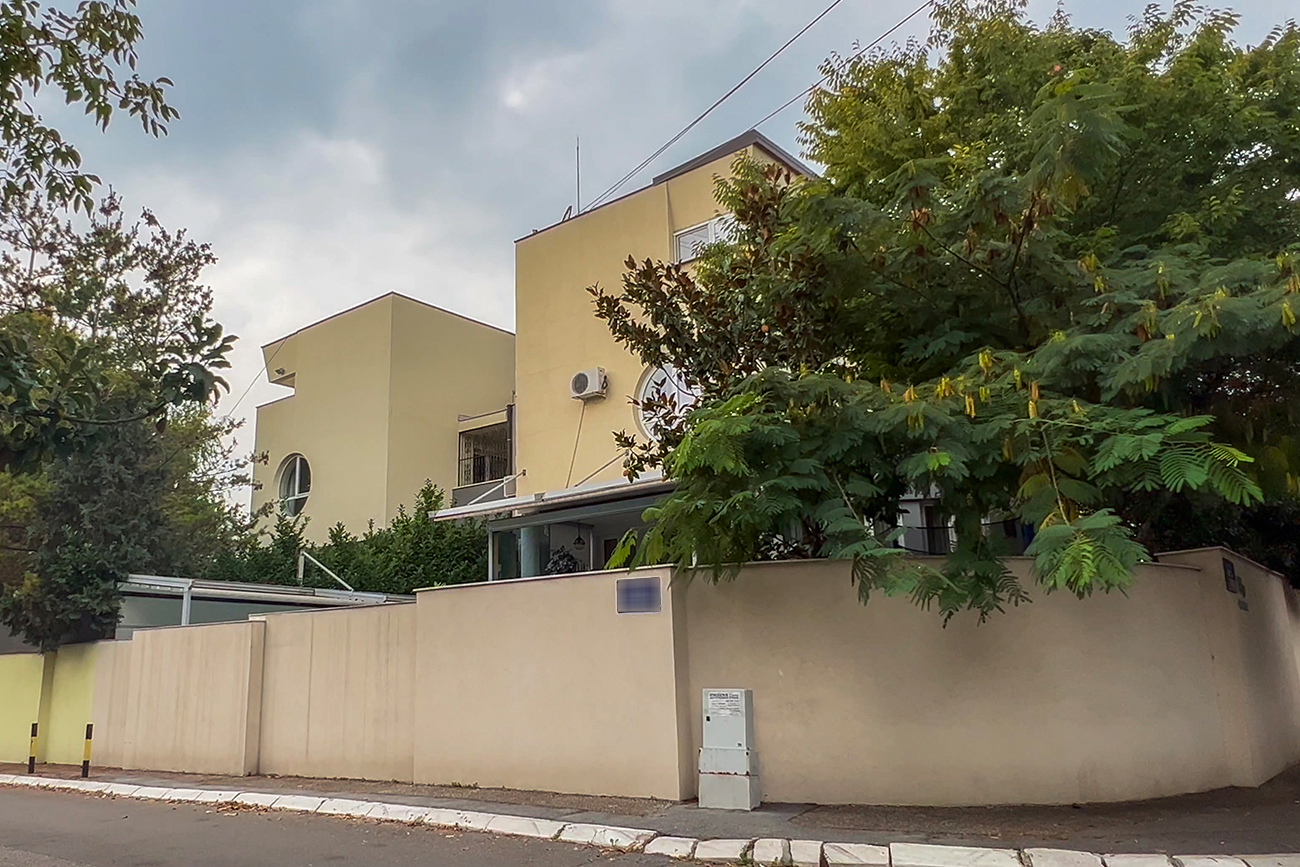
Nineteen years ago, while serving as President of Republika Srpska, Dodik bought the villa in Dedinje for around EUR 850,000. The property is a three-storey, 342-square-metre home with a garage and courtyard, forming part of a duplex development.
CIN reporters found that Dodik had to pay for the property before he could be registered as its owner, yet he only took out a loan worth 1,468,373 BAM (around EUR 750,000) from Pavlović International Bank eight months later.
During the investigation, Slobodan Pavlović, the owner of the bank that approved the loan, died.
According to available documents, the villa was built by the “Koling” company from Belgrade. When this company stopped repaying the loan, the villa was taken over by Komercijalna banka from Belgrade, which put it out for sale. Dodik bought it in May 2007. According to several real estate agents contacted by journalists, the market value of the villa at the time was between EUR 1.2 and EUR 1.5 million.
Dodik gave a statement to the BiH Prosecutor’s Office in 2022. He has publicly denied all allegations.
He previously told CIN that he repaid a part of the loan from the lease of the property to an ambassador“, a part from his salary in part from the proceeds from the sale of two flats in Belgrade.